
Hospital Incident: Understanding Patient Care and Professionalism
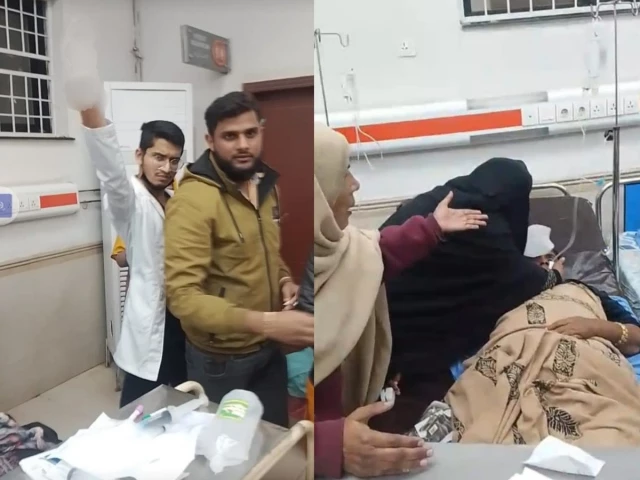
In recent news, a troubling incident at Multan’s Nishtar Hospital has sparked a conversation about patient care and professionalism in the medical field. A doctor, Additional House Officer Dr. Qasim, was dismissed after a video surfaced showing him behaving inappropriately towards a grieving family. This incident has not just raised eyebrows but also highlighted larger concerns in patient care and conduct within hospitals.
It’s heartbreaking when families lose loved ones, especially during a medical emergency. In this case, Shamim Bibi, who was suffering from chronic liver disease, was brought to the hospital but unfortunately passed away after being transferred from the emergency department. Her family alleged that delays and inaction from the medical staff contributed to their loss, igniting a protest in the hospital.
During this protest, Dr. Qasim made obscene gestures towards the deceased patient’s relatives, a move that is utterly unacceptable in any setting, especially in healthcare. The outrage from the public was swift, prompting a suspension followed by his formal dismissal. It’s vital to remember that healthcare professionals are there to provide compassion and care, always prioritizing the dignity of their patients and their families.
The hospital’s administration has expressed regret over the incident and is cooperating fully with an investigation. This is an essential step in holding accountable those who may have failed in their duties. An inquiry committee has been formed to review the actions of all involved, especially how the staff interacted with the grieving family.
The focus now should be on ensuring that similar incidents don’t happen in the future. It highlights the need for proper training and monitoring of new medical professionals. Good bedside manner isn’t just a nice-to-have; it’s a core component of the healthcare profession. Hospitals must invest in ongoing training for all staff, reinforcing the values of empathy and professionalism.
Furthermore, it’s crucial for healthcare facilities to have protocols in place for emergencies. Families should feel supported and well-informed, especially during times of trauma and distress. Improving communication and response times can make a significant difference in patient outcomes and family experiences.
If you’re looking for more insights or wish to stay updated on healthcare issues and patient rights, you might find value in engaging with platforms like Pro21st. Their commitment to fostering discussions about healthcare professionalism and improvement could be beneficial for both medical professionals and patients alike.
Together, we can strive for a healthcare system that respects and prioritizes the needs of patients and their families during the most challenging times.
At Pro21st, we believe in sharing updates that matter.
Stay connected for more real conversations, fresh insights, and 21st-century perspectives.