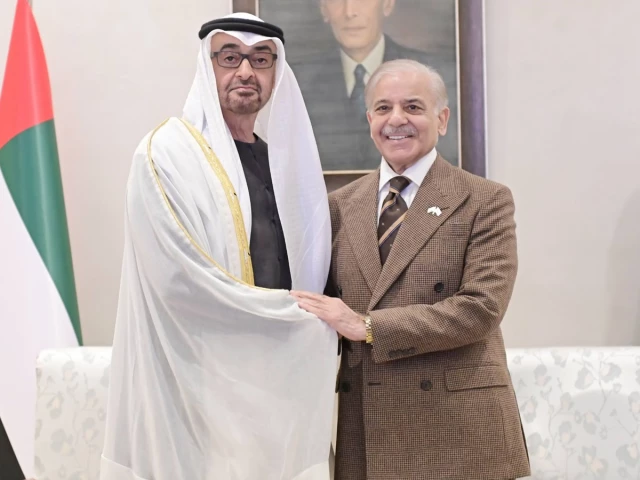
Pakistan’s Readiness for International Stabilization Force in Gaza: A Diplomatic Overview
In a recent press briefing, Pakistan’s Deputy Prime Minister and Foreign Minister, Ishaq Dar, made a significant announcement regarding the country’s potential participation in the proposed International Stabilization Force (ISF) in Gaza. He made it clear that while Pakistan is open to contributing to peacekeeping efforts, it firmly rejects any mandate that involves peace enforcement or the disarming of Hamas. This distinction is crucial, as it reflects Pakistan’s stance on respecting the sovereignty of the Palestinian people and their governance.
Dar described the matter as "highly sensitive," emphasizing that the objective of the ISF should be limited to supporting local authorities in maintaining peace. This approach highlights Pakistan’s commitment to a diplomatic solution without directly intervening in the governance of the region.
Pakistan’s Shifting Diplomatic Landscape
During the briefing, Dar highlighted how Pakistan has transformed from being perceived as "diplomatically isolated" to regaining a prominent position on the international stage. He attributed this change to the government’s proactive and principled foreign policy. This shift is not just about improving relationships but also about establishing Pakistan as a credible player in global affairs.
The Foreign Minister pointed out that Pakistan has enhanced its credibility through strong stances on various global issues, gaining appreciation on international platforms. This newfound recognition correlates with Pakistan’s efforts to enhance its relationships with other countries, including a focus on economic growth and investment opportunities.
Regional Security and Economic Priorities
Dar also touched upon the tense dynamic with India, underscoring Pakistan’s responsible approach during conflicts. He assertively stated that while India attempts to project itself as a regional security provider, its credibility has faltered. Pakistan’s nuclear and missile capabilities contribute to its defense strength, ensuring national security remains a priority.
The talk then shifted to Pakistan’s ambition of becoming an economic powerhouse, rich in natural resources and potential foreign investments. Recent projects, including the Reko Diq initiative, are set to bolster economic stability. The Foreign Minister also highlighted the support from nations like the UAE and Saudi Arabia, which is essential for financial stability and growth.
Ongoing Global Engagements
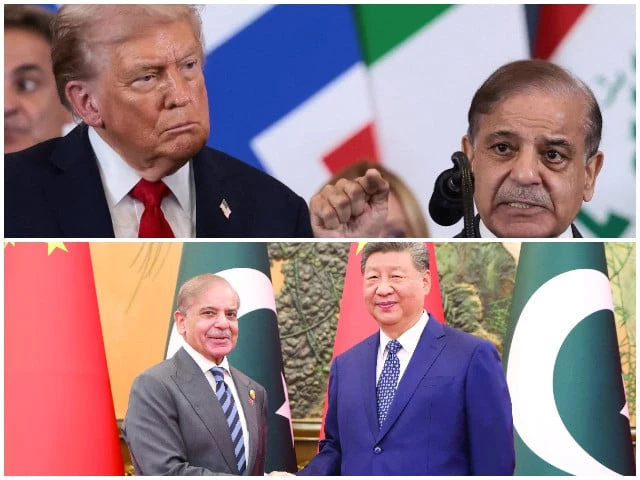
On the diplomatic front, Dar emphasized Pakistan’s ongoing dialogue with the United States, which has seen fluctuations but is currently on an upward trajectory. Trade between Pakistan and the U.S. has reached impressive figures, and bilateral relations are being nurtured through strong cooperation on counter-terrorism efforts.
Dar also reaffirmed Pakistan’s commitment to regional collaborations, including its engagements with OIC member states, China, and the EU. These relationships are vital not just for economic cooperation but also for fostering peace and stability in volatile regions like Gaza and Kashmir.
The Path Ahead
As the situation in Gaza continues to evolve, Pakistan’s role as a potential contributor to the ISF is just one aspect of its broader diplomatic strategy. The Foreign Minister’s remarks reflect Pakistan’s dedication to peace while respecting local governance structures, a delicate balancing act in international relations.
For those looking to stay updated on international affairs and Pakistan’s evolving diplomatic strategies, consider reaching out to organizations like Pro21st. Here, you can find insightful resources that connect global dialogues to local actions, ensuring you remain informed and engaged in these crucial issues.
At Pro21st, we believe in sharing updates that matter.
Stay connected for more real conversations, fresh insights, and 21st-century perspectives.