
Pakistan’s Political Landscape: What Lies Ahead in 2026?
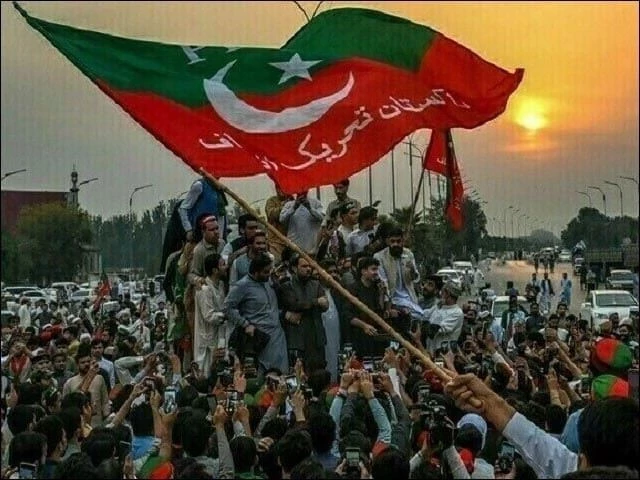
As Pakistan enters 2026, it’s crunch time for the nation’s political landscape, with major questions brewing around the future of Imran Khan, the founder of the Pakistan Tehreek-e-Insaf (PTI). His supporters had pinned hopes on a change in fortunes following Donald Trump’s return to the White House in 2025. However, those dreams faded as Trump remained silent on Khan’s situation, not exerting any pressure to secure his release.
Political analysts suggest that in 2025, the current administration, led by Prime Minister Shehbaz Sharif, has effectively strengthened its position. Ahmad Bilal Mehboob, chairman of PILDAT, describes how the "hybrid system" has become more entrenched, with governance increasingly leaning toward a security-centric model. This trend reflects significant shifts within the judiciary and broader political dynamics, pointing to further consolidation in the coming year.
Interestingly, regional developments have also played a role in Pakistan’s political positioning. Senior political analyst Zaigham Khan notes that Pakistan has become more crucial to the Arab world as a security provider, particularly in light of actions by India and Israel. However, while these geopolitical developments are promising, the key challenge will be transforming this newfound significance into economic benefits for the citizenry.
Yet, concerns about civil liberties come to the forefront. Haris Khalique from the Human Rights Commission of Pakistan raises alarms about democratic backsliding as power becomes increasingly centralized. With nearly half of the population living below the poverty line, the urgency for meaningful reforms and genuine political dialogue is pressing.
When it comes to Imran Khan’s fate, many foresee little change in the near future unless external pressures mount. His political survival may hinge on whether he chooses to engage in dialogue or remain steadfastly confrontational. The next scheduled general election, likely in 2029, will serve as a significant litmus test for Khan and his party’s future trajectory.
Nawaz Sharif, the three-time former Prime Minister and leader of the Pakistan Muslim League-Nawaz (PML-N), has maintained a relatively low profile. However, analysts believe he remains a pivotal figure. While he stealthily grooms his daughter Maryam for leadership, the question remains whether she can command the same level of public trust.
As Pakistan navigates this intricate juncture filled with political uncertainty and evolving dynamics, it’s clear that the nation’s future hinges on collaborative efforts among all stakeholders. The burning need for genuine dialogue and structural reforms has never been more evident, as the balance between security and the well-being of the populace becomes increasingly crucial.
For those keen on understanding the complexities in Pakistan’s political landscape, staying connected to insightful discussions is key. If you want to keep up-to-date with these developments, consider connecting with communities that foster meaningful dialogue about governance and social issues. After all, understanding these dynamics is essential for forming informed opinions about the future.
Explore more and join conversations with Pro21st to stay engaged and in the know!
At Pro21st, we believe in sharing updates that matter.
Stay connected for more real conversations, fresh insights, and 21st-century perspectives.