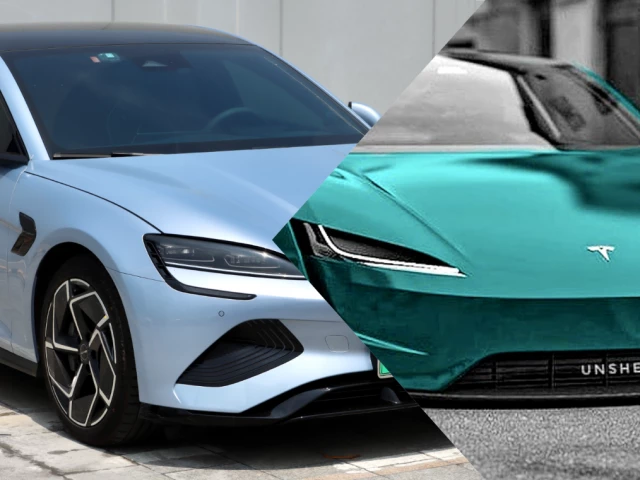

The Rise of BYD: A Game Changer in the EV Market
In 2025, the electric vehicle (EV) landscape witnessed a dramatic shift. Tesla, once the unchallenged leader in the sector, saw its shares tumble in the first quarter, primarily due to increasing competition, especially from international players like BYD (Build Your Dreams). It’s fascinating to see how things change. Remember when Elon Musk publicly dismissed BYD back in 2011? He said, “I don’t think they have a great product,” showcasing his confidence in Tesla’s dominance. Fast forward to today, and BYD has not only proven him wrong but also dethroned Tesla to become the largest seller of EVs worldwide.
In 2025, BYD’s sales surged by nearly 28%, reaching an impressive 2.26 million units. Meanwhile, Tesla reported just 1.64 million deliveries, marking an 8% decline from 2024 and a worrying trend of falling numbers for the second consecutive year. This fall can be attributed to various factors: aging models, the end of the $7,500 US EV tax credit, and some reputational challenges attached to Musk’s political remarks.
But what’s driving BYD’s rapid ascent? For starters, the company has smartly positioned itself in the competitive Chinese market, producing both fully electric and hybrid models at accessible price points. This strategy has allowed them to leverage the world’s largest EV market effectively, appealing to budget-conscious consumers while also catering to those seeking premium options through their emerging sub-brands.
Moreover, BYD’s vertical integration sets it apart. By manufacturing its own batteries and semiconductors, the company creates efficiencies that help maintain strong profit margins, even as competition ramps up. It’s a stark contrast to Tesla’s struggles, which included a slowing production rate and pricing pressures in key markets.
As BYD continues to expand its footprint overseas, it faces some challenges. Recent changes in Chinese policies could impact future demand, particularly for its budget models like the Seagull. Yet, analysts remain optimistic about BYD’s premium segments, which are well-positioned as consumer preferences evolve.
Tesla narrowly outpaced BYD in 2024, but 2025 heralded a new era in EV dominance. With its efficient manufacturing and affordable offerings, BYD is reshaping how we think about electric vehicles. As the balance of power shifts between Chinese and American automakers, both companies have much to learn from each other.
If you’re interested in following these developments or want to dive deeper into the future of electric vehicles, consider connecting with Pro21st. They offer fascinating insights and updates on the evolving automotive landscape, ensuring you’re always in the loop.