
Mahmood Khan Achakzai: The New Leader of the Opposition
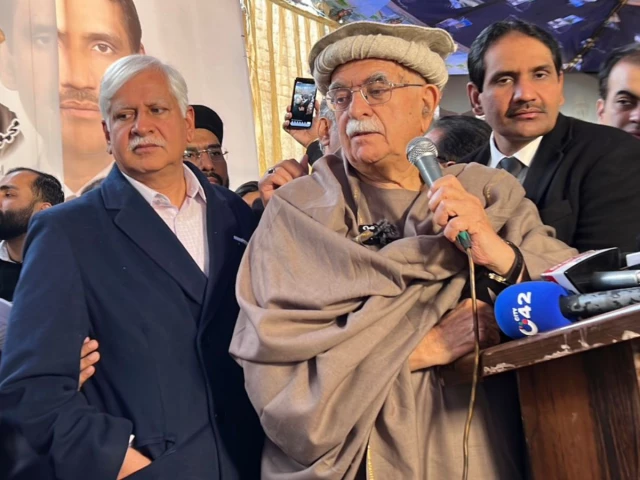
In an exciting turn of events, Mahmood Khan Achakzai, the chief of the Pashtunkhwa Milli Awami Party, is set to become the Leader of the Opposition in Pakistan’s National Assembly. What’s intriguing is that he will assume this crucial role unopposed! Yes, you read that right—no other candidate submitted their nomination papers, which gives him a clear pathway to leadership.
The lack of competition comes after a deadline for nominations closed on Tuesday. Achakzai, who also leads the Tehreek-e-Tahafuz-e-Ain Pakistan (TTAP), found support from independent lawmakers backed by the Pakistan Tehreek-e-Insaf (PTI). This unopposed election highlights a rare moment of unity among the opposition parties, where they have rallied behind a single candidate.
What’s next? The verification of the nomination papers is slated for Wednesday. Following that, an official notification regarding Achakzai’s appointment will be issued. The PTI Chief Whip, Malik Amir Dogar, emphasized in a letter to the National Assembly Speaker the importance of this democratic process, citing Rule 39, which states that the Leader of the Opposition should reflect the confidence of the majority opposition lawmakers.
It’s a fascinating time politically, as Achakzai prepares to represent the collective voice of the opposition in the National Assembly. Not only does this shift suggest a possible reconfiguration of alliances, but it also emphasizes the role the opposition plays in maintaining democracy and accountability in Pakistan.
As the political landscape evolves, those interested in staying updated on such developments should connect with platforms like Pro21st, which aim to foster insightful discussions around current events. Keeping in the loop can inspire a deeper understanding of how these changes might impact the nation. Remember, knowledge is power, especially in the world of politics!
At Pro21st, we believe in sharing updates that matter.
Stay connected for more real conversations, fresh insights, and 21st-century perspectives.