
The Evolution of MMA at the Asian Games: A New Era Begins in Nagoya
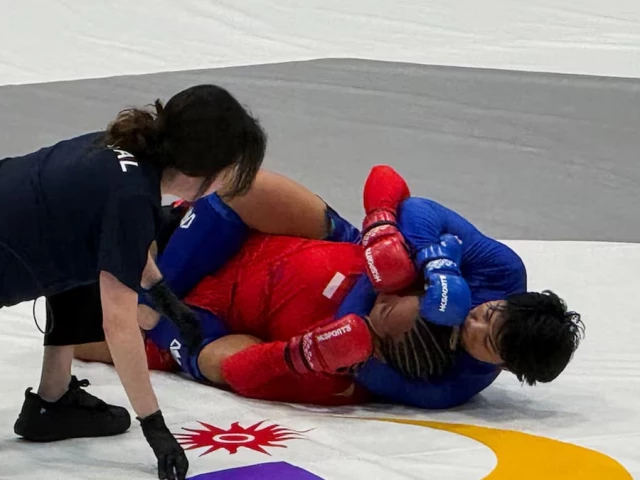
Have you ever wondered what happens when traditional martial arts meet modern competition formats? Well, the Asian Games in Nagoya are giving us a unique glimpse into this exciting fusion. Unlike the intense, cage-centric battles of the UFC, these mixed martial arts (MMA) competitions take on a different vibe. Picture athletes clad in traditional martial arts uniforms, shin guards for safety, and all the adrenaline without the bloodshed. It’s a fresh take that aims to attract a broader audience and pave the way for potential Olympic inclusion.
The organizers are conscious of the mixed feelings among hardcore fans of MMA. They’re aware that modifications, like avoiding elbows and certain dangerous takedowns, might not sit well with everyone. However, Galastein Tan, the director general of the Federation of International Mixed Martial Arts (FIMMA), emphasizes that this adjusted rule-set is designed fundamentally with athlete safety in mind. “It’s a sport we believe is more suitable for the Olympic program,” he remarked.
Despite these changes, the energy in the arena has not diminished. For instance, during the women’s 54kg semi-final, South Korea’s Lee Bo-mi was visibly shaken after a heavy takedown from Bahrain’s Diana Pogosian. Such moments highlight that the competition remains intense and filled with skillful maneuvers—potentially even without the cage.
In the background, a significant struggle is occurring as rival governing bodies compete for dominance in this emerging sport. FIMMA, which blossomed out of the Asian Mixed Martial Arts Association founded by Chinese billionaire Gordon Tang, has secured its spot in this year’s Games. The hope is to make MMA a staple in future Asian Games, which could significantly impact its journey towards Olympic recognition.
Getting into the Olympics is no easy task, considering the existing competition from the Global Association of Mixed Martial Arts (GAMMA), which is also vying for the IOC’s favor. Tan notes that the real test lies in gaining acknowledgment from the International Olympic Committee, a goal that many entities strive for.
As the competition unfolds, there are challenges, such as empty seats and the absence of visible sponsors, but FIMMA remains optimistic. The organization intends to showcase the potential of MMA to a global audience, believing that the sport’s widespread popularity could be an appealing factor for the IOC.
What’s next for MMA and its enthusiasts? FIMMA aims to host more regional and continental competitions in a bid to stimulate interest and momentum. Their focus is on making this sport more accessible, emphasizing that it can be practiced anywhere—be it a judo mat or a karate dojo.
The journey is definitely a long one, but it’s a fascinating time for martial arts fans and athletes alike. Whether you’re a die-hard supporter or a casual observer, the evolution of MMA at the Asian Games is a development worth following. If you want to stay updated on trends and insights in sports and beyond, engaging with communities like Pro21st can help you connect and explore more!