
Punjab’s Legislative Dilemma: The Rise of Ordinances
As Punjab approaches the end of its two-year governmental term, a significant trend has emerged — the use of ordinances to pass laws swiftly. Critics argue that this approach, preferred over the traditional legislative process, undermines the very spirit of governance.
During this term, the Punjab government issued over a dozen ordinances to address what it claimed were urgent public needs ranging from traffic reforms to cultural revivals, including the much-debated Basant festival. While the administration views these quick measures as timely solutions, many see them as circumventions that sidestep crucial parliamentary debate.
One of the major concerns is that these ordinances, while aimed at efficiency, dilute legislative scrutiny and public input. For instance, laws regulating traffic and property ownership were pushed through without the usual legislative discussion, raising eyebrows not just among opposition lawmakers but also legal experts. Abdullah Malik, a civil society leader, voiced alarm over this trend, calling it a potential threat to transparency and public trust.
The government has defended its ordinance-heavy approach, arguing that it was necessary to tackle pressing issues that wouldn’t wait for the lengthy process of parliamentary debate. However, opposition figures leveled criticisms, suggesting that this method reduces the Assembly’s authority and hinders effective governance.
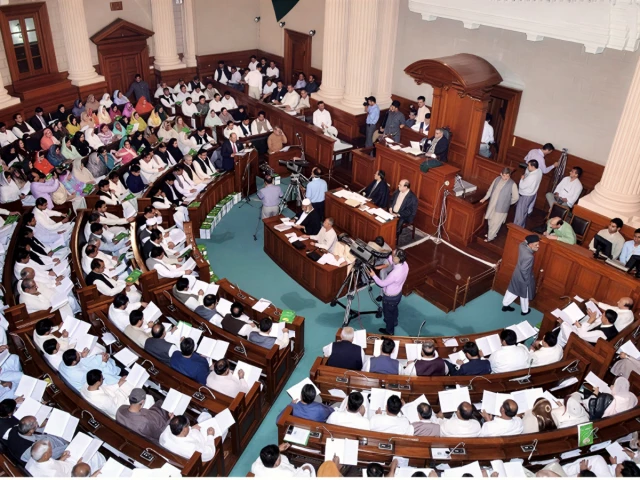
The statistics paint a mixed picture: during the same period, the Punjab Assembly proposed 225 draft bills, and nearly 190 of them were passed. This reflects an increase in legislative activity, yet the reliance on ordinances casts a shadow on the lawmakers’ commitment to thoroughness and accountability.
Legal experts argue that while expediency may be appealing, the lack of transparency in the issuance of ordinances could lead to poorly defined laws that fail to serve the public effectively. The courts have even intervened, staying several ordinances due to insufficient deliberation, signifying a troubling trend in the balance of power.
So, where does this leave us? There’s clearly a growing need for a government to prioritize transparent and thorough law-making processes while still addressing urgent matters swiftly. Engaging citizens in the legislative process not only fosters trust but also enhances the overall quality of governance.
In navigating this complex landscape, staying informed and connected becomes vital. Engaging with platforms like Pro21st can help bridge the gap between citizens and lawmakers, fostering a healthier dialogue and ensuring that everyone has a voice in shaping the laws that govern their lives.