
Understanding the Escalation at the Pakistan-Afghanistan Border: A Closer Look at Operation Ghazab-lil-Haq
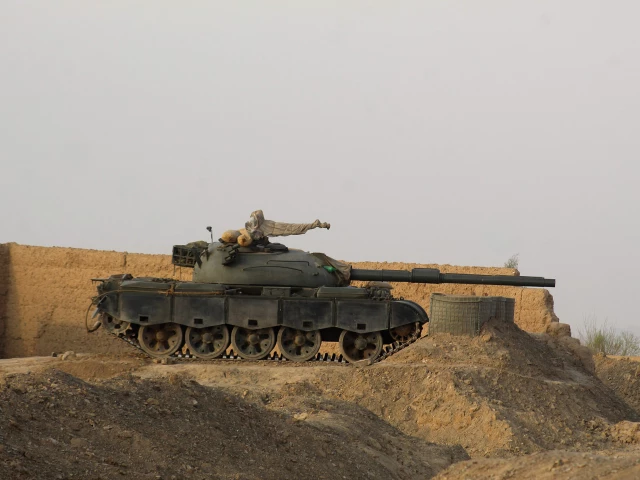
Recently, the situation at the Pakistan-Afghanistan border has taken a serious turn, prompting international powers to call for calm. Following a series of skirmishes, Pakistan launched “Operation Ghazab-lil-Haq,” which aimed to address threats from the Afghan Taliban, who Islamabad accuses of orchestrating unprovoked attacks.
As of the latest reports, Pakistani forces claim to have neutralized a substantial number of Taliban fighters—331, to be exact—along with inflicting damage to military infrastructure. The Pakistani government insists that the operation is strictly aimed at armed groups and not at civilian populations or infrastructure. Information Minister Attaullah Tarar even shared updates on social media, detailing the operation’s impact, including the destruction of over 100 Taliban posts and significant equipment losses.
But it’s not just a military affair. The geopolitical backdrop is quite intricate. Countries like the US, China, Russia, and Iran have shown concern and urged for restraint. The US has reaffirmed its support for Pakistan’s right to defend itself, signaling its intent to closely monitor the situation. China has also offered diplomatic channels to help de-escalate tensions, while Russia and Iran have expressed willingness to mediate.
It’s crucial to grasp the complexity of these conflicts. The ongoing unrest isn’t just a series of isolated incidents; it’s deeply rooted in past grievances and a tangled history of geopolitics. The conflict has significant implications not just for the nations involved but for regional stability as a whole. With all the moving parts, finding a lasting solution is immensely challenging.
As discussions around peace and military action continue, it’s clear that the region is at a pivotal moment. Stakeholders must prioritize dialogue over aggression to prevent further escalation.
If you’re interested in exploring this topic or any related current events further, consider connecting with us at Pro21st, where we strive to provide insightful perspectives on global affairs.