
Discovering the Origins of the Colorado River and the Grand Canyon
The Grand Canyon, with its stunning vistas and dramatic landscapes, truly stands as one of the greatest natural wonders of the world. Nestled in the heart of Arizona, the canyon has long captured the imaginations of those who visit. But have you ever wondered how this magnificent formation came to be? Recent research sheds light on the origins of the Colorado River and its role in shaping the Grand Canyon itself.
According to new findings, scientists have traced the Colorado River’s journey back to around 6.6 million years ago. By examining tiny zircon grains found in sandstone deposited by the river over millions of years, researchers uncovered that the river first flowed into a large depression in northeastern Arizona. This area, known as Bidahochi Lake, was a wide, shallow body of water that eventually overflowed, carving out what we now recognize as the Grand Canyon around 5.6 million years ago.
The study provides fascinating insights into a time when the Colorado River wasn’t even flowing through the Grand Canyon. Before its waters began to shape the canyon, they filled up and spilled into various basins downstream, finally reaching the Gulf of California about 4.8 million years ago. Just think of the immense power and patience of nature to create such a masterpiece!
Geologist John He, the co-lead author of the study, invites us to imagine scooping up a handful of sand from a riverbank. Within that handful lies a treasure trove of microscopic zircon crystals. These crystals hold clues to the geological past, giving researchers vital information about the river’s historical pathway and the factors that influenced its flow.
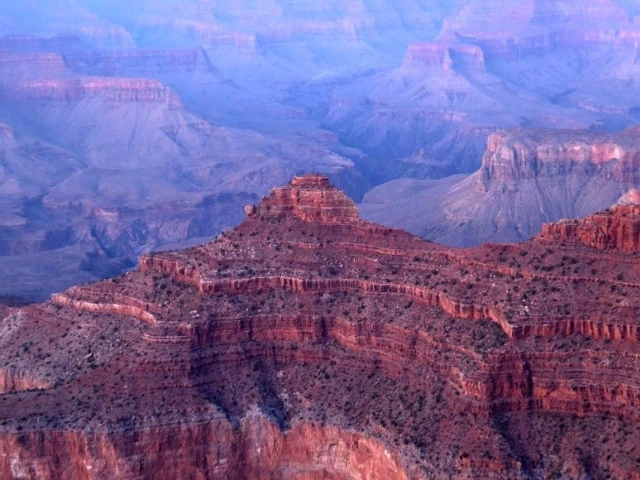
The Grand Canyon itself showcases 1.8 billion years of geological history through its layers of sedimentary and volcanic rock. Stretching 280 miles long, 18 miles wide, and plunging over a mile deep, it’s a marvel not only of beauty but of fascinating geological processes. For over five million years, the Colorado River has etched its way through this rock, continuously shaping the landscape we see today.
Visitors to the Grand Canyon often find themselves pondering questions about its formation. “How did it come to be? What forces were at play?” These inquiries connect us to the natural world, reminding us of our place within it. In a sense, the Grand Canyon serves as a visual lesson on the Earth’s history, inviting us to explore not just its depths, but also the passage of time itself.
As you plan your visit to this breathtaking landmark, hopefully, you’ll carry these insights with you. The Grand Canyon is not just a place to behold; it’s a testament to the slow, enduring processes that shape our world. If you want to delve deeper into geological wonders or stay updated on nature’s mysteries, feel free to connect with Pro21st for more engaging content. Together, we can explore the profound stories nature has to tell!