
Karachi’s Water Crisis: The Tale of Two Canals
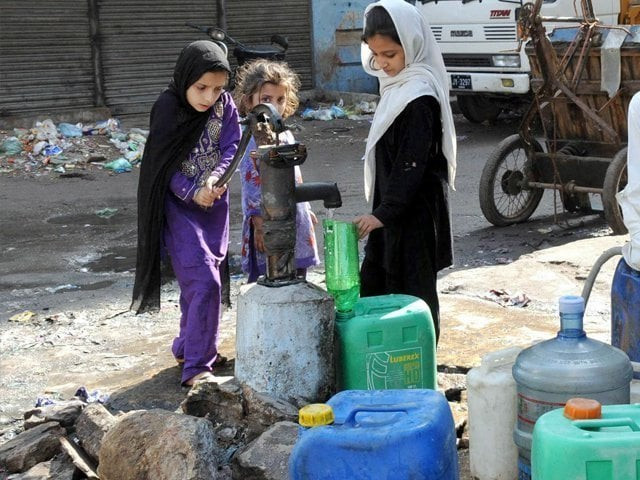
Karachi has been grappling with serious water shortages, and recent developments highlight the complexities of water management in the city. The construction of a new canal, intended to solve these issues, has faced significant setbacks. Despite a hefty investment of over Rs12 billion, the new Hub Canal is underperforming, supplying only 35 to 50 million gallons per day (MGD), far short of the historical 100 MGD previously delivered by the old canal.
This situation has forced the Karachi Water and Sewerage Board (KWSB) to revisit the old Hub Canal, which has been successfully rehabilitated. In a surprising turnaround, this aging infrastructure has restored its delivery capacity to around 100 MGD, proving more efficient than the new system. A recent investigation by The Express Tribune revealed that the newly inaugurated canal is only about 80% complete, and several design flaws are hampering its effectiveness.
It’s worth noting that the original Hub Canal system was developed back in the 1980s, boasting a robust engineering framework that allowed it to supply crucial water to both Karachi and Balochistan. However, over the years, issues like leakage and structural deterioration have reduced its output. The recent rehabilitation aimed to not just build a new canal but also fix the old one, highlighting a desperate need for quality engineering.
Interestingly, engineers and officials dichotomize the performance of the two canals. The old canal’s design is gravity-based—a system that has historically proven reliable. In stark contrast, issues with the new canal stem from inadequate contracting and faulty designs.
As of now, Karachi’s water requirements sit at around 1,200 MGD, but the city is currently receiving just about 650 MGD from a mix of sources. The KWSB spokesperson mentioned plans for future collaboration between the old and new canals to optimize supply, pending federal approval for increased allocation from the Hub Dam.
As this situation unfolds, it serves as a reminder of the importance of sustainable infrastructure and effective water management in rapidly growing urban areas. If you’re interested in staying updated on Karachi’s water challenges or have insights to share, feel free to connect with Pro21st for more information and resources focused on urban development and sustainability.