
Pakistan’s External Sector: Navigating Challenges Amidst Opportunities
Pakistan’s economy is currently walking a tightrope. While strong remittance inflows and IMF-backed financing provide a cushion, recent data reveals troubling signs in the country’s external account. In April 2026, the current account slipped back into deficit, highlighting a critical imbalance between imports and exports.
According to the State Bank of Pakistan, the current account deficit reached $324 million in April, compared to a marginal deficit of just $12 million a year prior. The cumulative position for the first ten months of FY26 shows a deficit of $252 million, a stark contrast to the notable surplus of $1.66 billion recorded in the same period last year.
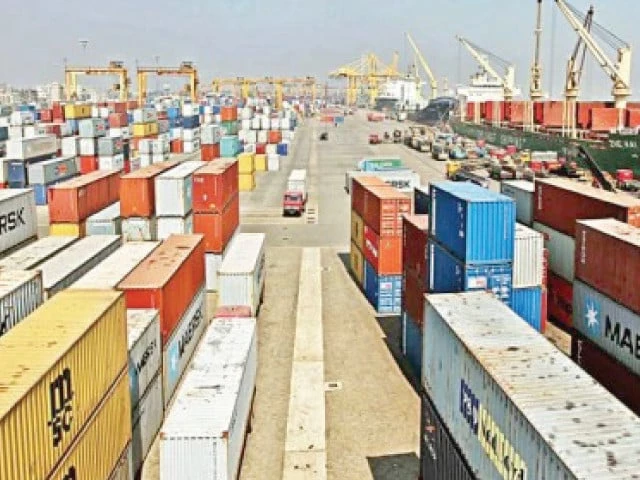
So, what’s driving this shift? Analysts point to a surge in imports, which rose by 11.4% year-on-year, markedly outpacing the 3.4% growth in exports. In April alone, total imports climbed to $6.9 billion, fueled by a recovering domestic demand, relaxed restrictions on inflows, and soaring global commodity prices. In contrast, exports dipped slightly, from $3.36 billion to $3.47 billion as goods trade continues to face challenges.
Interestingly, however, services exports are showing significant growth. They surged by a robust 22%, buoyed largely by technology-related services, with telecommunications and information services contributing an impressive $423 million. This positive trend is a hopeful sign, yet the overall trade deficit widened considerably, expanding to $3.4 billion in April — a staggering 21% increase from the same period last year.
As import bills rise, economists worry about the implications for foreign exchange reserves and the stability of the Pakistani rupee. With the Real Effective Exchange Rate indicating that the rupee is relatively overvalued, there’s growing concern over export competitiveness.
On the flip side, the support from overseas workers remains a vital pillar for the economy, with remittances reaching $3.5 billion in April alone. This influx has been crucial in buffering against the mounting trade imbalances. Cumulatively, remittances hit $33.9 billion in the first ten months of FY26, up significantly from previous years.
Moreover, while the financial account posted a surplus of $206 million in April, total inflows for the first ten months were drastically lower at just $12 million compared to $1.49 billion last year. This decline points to weakened foreign investment and financing, adding further strain to Pakistan’s economic landscape.
In summary, while there are positive signs, particularly in the realm of services exports and remittances, the soaring import rates and their implications on the balance of payments cannot be overlooked. As we move forward, it’s crucial for the government and businesses to strategize for sustainable growth.
The journey may be challenging, but staying informed and connected with expert insights can make all the difference. For more updates and discussions on these shifting economic tides, consider tuning in with Pro21st. It’s a great platform for engaging with economic experts and understanding the broader implications for Pakistan’s future.