
Overview of Recent Israeli Airstrikes in Southern Lebanon
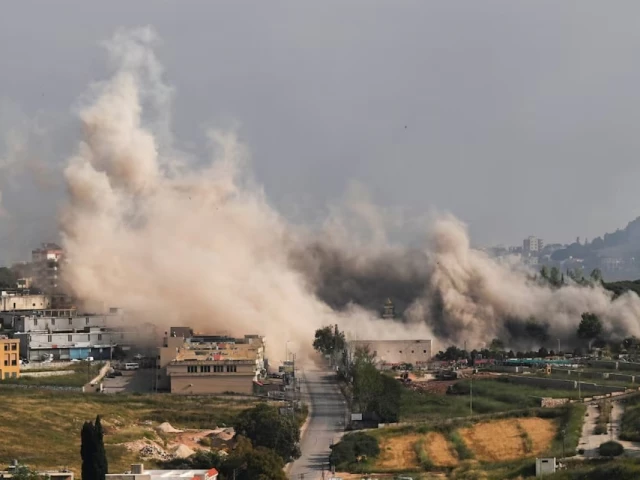
The conflict between Israel and Hezbollah has recently escalated, resulting in Israeli airstrikes that have killed at least 31 people and injured over 40 in southern Lebanon. The affected areas include Burj al-Shamali, Kawthariyet El Riz, Habboush, Maarakeh, and Selaa, where the strikes have caused significant devastation, affecting numerous families, including women and children.
Impact of the Ongoing Conflict
This military campaign by Israel, which has been intensifying since early March, has resulted in nearly 3,200 fatalities, over 9,600 injuries, and more than 1.6 million displaced individuals in Lebanon. Despite a U.S.-brokered ceasefire, daily attacks persist, underscoring the complex geopolitical tensions in the region.
Military Provocations and Ceasefire Challenges
Both sides have engaged in provocations, with an Israeli projectile landing in northern Israel following Hezbollah’s drone strikes earlier in the week. This ongoing exchange highlights the fragile nature of ceasefire agreements, as neither party appears willing to de-escalate.
U.S. Military Involvement and Its Implications
The U.S. has increased its military presence in Israel by deploying F-22 fighter jets and refueling aircraft. This move has raised concerns about its impact on civilian air traffic and airport operations, potentially affecting Israel’s travel season and deterring tourists.
Humanitarian and Global Observations
The humanitarian toll of the conflict is significant, with both ground and aerial operations ongoing. Global observers must monitor these developments closely to understand their implications for regional stability and peace.
| Aspect | Impact |
|---|---|
| Fatalities | 3,200 |
| Injuries | 9,600 |
| Displaced Individuals | 1.6 million |
| U.S. Military Deployment | F-22 Jets, Refueling Aircraft |
What is the current status of the Israeli-Hezbollah conflict?
The conflict is ongoing, with recent airstrikes resulting in significant casualties and displacement in southern Lebanon.
How has the U.S. responded to the conflict?
The U.S. has increased its military presence in Israel, deploying advanced fighter jets and refueling aircraft.
What are the humanitarian impacts of the conflict?
The conflict has led to thousands of fatalities and injuries, as well as the displacement of over 1.6 million people in Lebanon.