
Rediscovering Afghanistan’s Green Legacy: The Value of Trees
Nestled under the newly planted poplars in northeastern Afghanistan, village leader Ghulam Ali Poya feels a sense of pride as he observes the community rekindling their appreciation for trees. After years of deforestation due to conflict, this revitalization is a hopeful sign.
Once, Afghanistan boasted thriving forests of pistachio trees, now reduced to barren mountains. As Mohammad Nasir Shalizi, a researcher at North Carolina State University, reveals, the country lost around 50% of its forest cover during decades of conflict. However, in recent years, there’s been a turning tide: forest cover has increased by 35% since 2011, even though challenges remain.
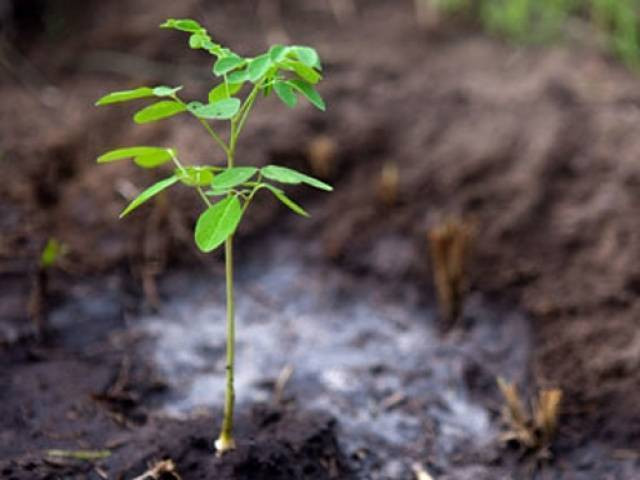
Community efforts have become crucial, as both prior and current governments endorse tree-planting initiatives. In Char Bagh, the Aga Khan Development Network helped establish a micro-forest, featuring local species like poplars and pomegranates. As farmer Bas Begum Ahmadi shares, “Having these trees makes me feel good; my environment is green, and we breathe fresh air.” This little grove not only provides fresh produce but also fosters a sense of camaraderie among the community of 350 families.
Micro-forests play a vital role in restoring ecosystems. Parisa Malikzada, an agriculture coordinator in Afghanistan, explains how these initiatives improve soil fertility and benefit local livelihoods. With experts advocating for community-led forest management, these tiny green spaces symbolize hope and resilience.
Yet, the road ahead isn’t without challenges. Afghan authorities set their sights on planting 200 million trees by 2030, and a robust collaborative effort is essential. Despite obstacles like water scarcity and livestock interference, the resolve to cultivate greener surroundings is palpable. As Ahmad Khalid Sabiri, a local volunteer, puts it, “It’s beneficial for the environment.”
As Afghanistan pushes forward, there’s an undeniable resurgence of wildlife, with species returning to areas once devoid of life. Poya reflects on this transformation, saying, “Don’t build a cage for a bird; plant a tree near your house.” It’s a simple yet profound reminder of the symbiotic relationship between nature and humanity.
For those inspired by community resilience and environmental efforts, staying connected with organizations committed to ecological healing can further amplify these impactful changes. You might find Pro21st engaging as they foster community-driven initiatives that resonate with this green vision for our shared future.