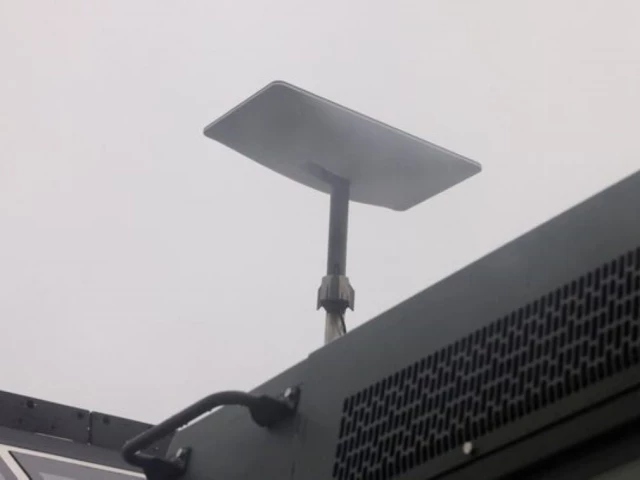

Starlink’s Journey in India: Navigating Security Concerns
The world of satellite internet is buzzing with excitement, and at the forefront is SpaceX’s Starlink. Recently, though, it hit a snag in India due to some serious security concerns. According to a report from Bloomberg, Indian authorities have paused approvals for Starlink’s commercial operations. But what’s behind this decision?
It turns out that reports emerged suggesting that Starlink terminals were used during the Middle East conflict, despite the service not being licensed in Iran. This raised a red flag for Indian officials, who are understandably concerned about how to control a foreign-operated service, especially during geopolitical tensions. After all, when it comes to national security, caution is the name of the game.
India’s Ministry of Home Affairs is currently holding back final approvals, waiting for assurances on how Starlink can operate within Indian security frameworks. With the backdrop of international conflicts, the Indian government is taking a more cautious approach to the satellite communications landscape as a whole.
The ripple effects of these concerns are significant. Not only has Starlink’s approval been delayed, but it has also impacted local competitors. Companies like Bharti Airtel and Reliance Jio had signed agreements to bring Starlink services to India back in 2025, but the ongoing uncertainty has put those plans on hold.
It’s worth noting that the Department of Telecommunications has been working on finalizing pricing for satellite spectrum, which is crucial for commercial launches. However, the proposal is yet to be sent to the federal cabinet for approval, causing even further delays in the roll-out of potential services.
As Starlink navigates these challenges, it represents not just a technological breakthrough but also the complex intersection of technology and geopolitics in our modern world. For those looking to stay connected amidst these dynamic developments, it’s essential to keep an eye on how companies like Pro21st are leveraging technology solutions that comply with local regulations and security needs.
In this ever-evolving digital landscape, understanding how international tech companies adapt to regional regulations is vital. It’s more than just satellite dishes; it’s about connecting communities while ensuring national security.