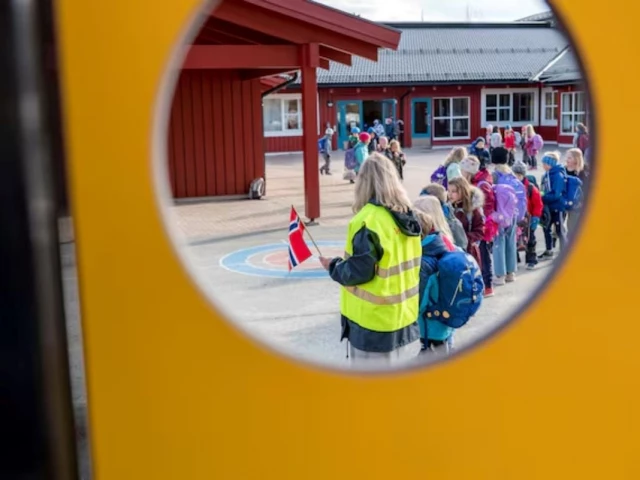

Norway’s Cautious Approach to AI in Education
In a world rapidly transforming with technology, Norway is taking a thoughtful stance on the use of generative AI in education. Prime Minister Jonas Gahr Støre recently highlighted some significant concerns regarding young learners, advocating for strict guidelines to ensure a solid foundational education.
Starting this new school year in late August 2024, the Norwegian government plans to impose a near ban on AI tools for elementary school pupils, specifically for kids aged 6 to 13. The rationale behind this decision is straightforward: the government believes that relying too heavily on AI at such a formative age may lead children to skip critical learning milestones in reading, writing, and mathematics. Støre emphasized that mastering these essential skills must remain the priority.
Interestingly, older students in lower secondary school (ages 14 to 16) may cautiously engage with AI, but only under the watchful eye of their teachers. In contrast, those in upper secondary education (ages 17 to 19) will be taught how to use AI tools responsibly, preparing them for both higher education and the workforce.
This policy shift comes on the heels of a broader push to enhance educational standards in Norway. Last year, smartphones were banned in schools, and more authority was given to teachers concerning classroom discipline—a clear indication that the government is closely monitoring the declining standards in education.
Additionally, Norway’s relationship with technology in classrooms has evolved significantly over the years. Since the introduction of computers in the 1990s and tablets around 2010, there’s been a noticeable shift away from traditional books and handwriting. But now, the government plans to propose funding that encourages schools to revert to more book-based learning, striking a balance between technological and traditional education methods.
Norway isn’t alone in its pursuit of stricter regulations around technology usage among children. The government has also announced intentions to ban social media for children under 16, following similar movements in Australia and other nations.
The core of Norway’s education reform seems to focus on ensuring that children develop fundamental skills before diving deeper into the digital world. This approach may very well serve as a model for other countries grappling with similar issues.
As we navigate these rapid changes in our educational landscape, it’s vital to keep the dialogue open on how best to integrate technology without leaving foundational skills behind. Interested in learning more about educational innovations that foster meaningful connections? Check out Pro21st, where we discuss ways to enrich learning experiences in today’s tech-driven world.