
Growing Defense Ties Between India and the UAE
In recent weeks, exciting developments have emerged from the Indian government’s discussions regarding defense exports, particularly with the United Arab Emirates (UAE). Reports indicate that India is considering selling some of its advanced weapon systems, such as the notable BrahMos missile and the Akashteer air defense system. These discussions are in their early stages but are progressing rapidly, reflecting the changing landscape in global defense procurement.
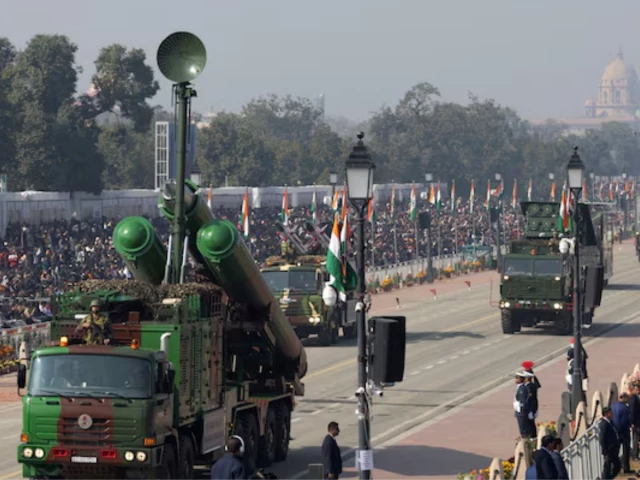
The BrahMos missile, co-developed with Russia, is celebrated for its speed and versatility, capable of being launched from various platforms—land, sea, and air. On the other hand, the Akashteer system, developed by Bharat Electronics Ltd, offers a fully automated solution for air defense, designed to enhance the protective capabilities of its operators.
The UAE’s interest in these systems comes in the wake of increasing security concerns in the Gulf region, especially following tensions arising from recent conflicts. The nation is keen on diversifying its defense suppliers to bolster its security and strategic autonomy without straining its historic ties with the United States.
By fostering closer relations with India, the UAE aims to not only strengthen its defense capabilities but also signal its growing geopolitical importance in the region. Analysts believe that acquiring Indian defense technology could provide the UAE with more options and better responsiveness to various threats, especially around critical areas like the Strait of Hormuz.
Moreover, data from the Stockholm International Peace Research Institute reveals that the US has been the leading arms supplier to the Middle East, accounting for a whopping 54% of imports from 2021 to 2025. However, the UAE’s interest in India’s offerings underscores a shift towards a more diversified supplier strategy, which can provide the Emirati defense sector with enhanced flexibility and choice.
It’s worth noting that while the talks are promising, India’s sale of the BrahMos missile would still require approval from Russia, due to joint development agreements. However, analysts believe that these bureaucratic hurdles are manageable given Russia’s established relationship with the UAE.
In recent years, Indian defense exports have seen a remarkable surge, jumping from a mere $7.26 million in 2013-14 to over $4 billion by March 2026. Countries like Vietnam and Indonesia have already expressed interest in the BrahMos missile, indicating that India is positioning itself as a significant player in the global arms market.
Ultimately, the dialogue between India and the UAE about defense cooperation points to a broader trend of mutual understanding and strategic partnerships in a rapidly evolving geopolitical climate. As both nations navigate these uncharted waters, they stand to benefit from deeper ties and shared investments in safety and security.
If you’re interested in more insights about defense strategies or global security trends, feel free to connect with Pro21st for expert analysis and resources tailored to your needs.