
Iran’s Rapid Military Reconstruction: A Cause for Concern?
In recent months, reports have emerged revealing Iran’s swift reconstruction of military infrastructure, including underground missile bases, bridges, and production facilities. Satellite imagery, closely analyzed by Israeli and Western officials, points to significant recovery efforts that seem almost jaw-dropping given the previous damage inflicted by airstrikes.
Imagine seeing the aftermath of an intense conflict—crumbling roads and damaged tunnels. Then, just weeks later, those same areas are almost fully restored. That’s exactly what satellite images have shown in western Iran. For instance, entrances to a missile base that were severely hit now sport freshly paved roads and rebuilt structures. Israeli officials are understandably worried about what this speed of recovery means for regional stability.
Recent commentary from military insiders in Israel indicates frustration over the effectiveness of ongoing airstrikes. While the narrative has often suggested that these strikes have devastated Iran’s capabilities, the quick recovery observed raises serious questions. Former Israeli air and missile defense commander Ran Kochav noted that Iran’s ability to rapidly replenish its missile arsenal paints a different picture of resilience.
Iran’s military capabilities might appear compromised, but the whispers of a total collapse seem exaggerated. According to Tal Inbar from the Missile Defence Advocacy Alliance, it turns out that speculation about a dwindling missile stockpile is inaccurate. This only amplifies concerns among Israeli officials, some of whom are alarmed at how efficiently Iran is able to rebuild.
Images from Iran’s military facilities confirm ongoing reconstruction efforts, including at facilities associated with the Iran Revolutionary Guard Corps (IRGC). Notably, progress is visible at sites like the Dezful missile base and Raja Shimi Industries, alleged to be involved in missile component production.
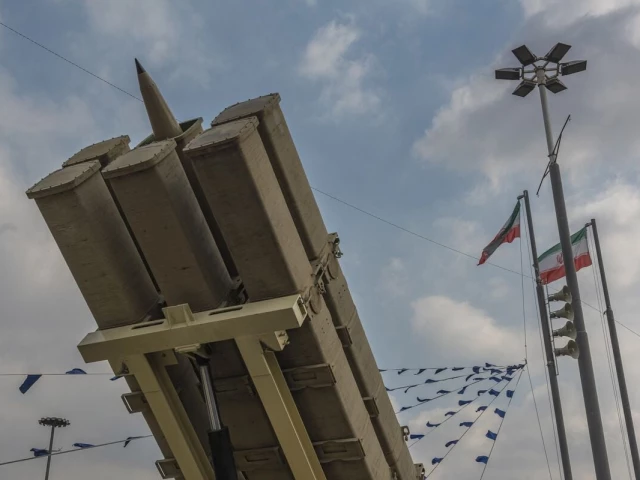
While some may argue that complex machinery and facilities could take longer to fix, analysts suggest Iran might already have access to underground stockpiles. This means they could quickly assemble a formidable array of new missiles and drones, should the need arise.
As we step back and assess this evolving situation, one thing becomes clear: the balance of power in the region is precariously shifting. Whether you’re invested in geopolitics or simply interested in securing a safer tomorrow, keeping an eye on these developments is crucial.
For those who want to delve deeper or stay updated on topics like this, consider checking out Pro21st. It’s always helpful to connect with communities focused on understanding and addressing these global challenges. Your thoughts and insights matter, and sharing them can enrich the conversation!