
Muhammad Inam Butt: Navigating a Doping Scandal with Integrity
In the world of sports, controversies often spring up, and wrestling is no exception. Recently, Pakistani wrestler Muhammad Inam Butt found himself amid a doping scandal that’s captured widespread attention. As the secretary of the Pakistan Wrestling Federation (PWF) and a celebrated athlete, this situation is particularly pressing for both his career and his ongoing contributions to the sport.
Inam recently returned a positive doping test result at the Asian Beach Games in China, where he had previously won a silver medal. Despite this setback, he has opted not to have his B sample tested, which is a crucial step many athletes take when facing doping allegations. Instead, he has chosen to leave open the option for appealing any potential sanction to the Court of Arbitration for Sport (CAS). This decision reflects a strategic approach to an increasingly complex situation.
So what led to this unfortunate circumstance? Sources indicate that Inam had been using acetazolamide, a medication prescribed for an eye condition. He maintains that the substance was strictly for therapeutic use and was not intended to enhance his performance in any way. This is a critical distinction, as anti-doping authorities require transparency in the use of any medications that contain prohibited substances. Inam’s team has gathered medical records and the doctor’s prescription to support their case.
The International Testing Agency (ITA) is also involved, having undertaken its own review of the situation. Moreover, the World Anti-Doping Agency (WADA) has indicated that Inam is authorized to use acetazolamide until July 2027, a fact that raises questions about the adverse finding and the subsequent handling of his case.
However, it’s important to note that athletes must disclose their use of any such medications ahead of competitions. This process includes applying for a therapeutic use exemption when necessary. Inam’s choice to skip the B sample test may generate speculation, but it’s crucial to understand the legal terrain and the potential ramifications he faces.
If the anti-doping authorities confirm a violation, Inam could face a suspension. The penalty would depend on various factors, including the nature of the substance and any mitigating circumstances. Such a suspension would not only affect his athletic career but could also bar him from wrestling-related administrative roles in the PWF.
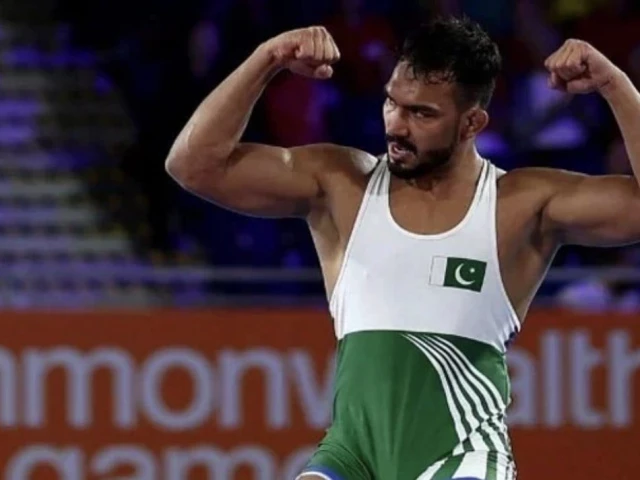
Inam has brought significant acclaim to Pakistan’s wrestling scene. Over the last two decades, he has clinched numerous international medals, including golds at the Commonwealth Games and recognition as a world champion in beach wrestling. Even while at the helm of the PWF, he has demonstrated a commitment to nurturing young talent through innovative programs aimed at grassroots development.
As we follow Inam’s journey, we see a blend of talent, resilience, and the complexities athletes face in high-stakes scenarios. His case underscores the importance of transparency in sports, and as the situation unfolds, it serves as a powerful reminder of the challenges even the most accomplished athletes can encounter.
For anyone interested in wrestling or the intricacies of sports management, Inam’s story is not just a cautionary tale but also an opportunity to learn about the importance of regulations and athlete rights. If you’d like to keep up with developments in sports management or explore further insights on navigating challenges in an athlete’s career, stay connected with Pro21st. Together, we can delve deeper into these narratives that shape the world of sports.