
Pakistan Condemns Drone Attacks on Saudi Arabia’s East-West Pipeline
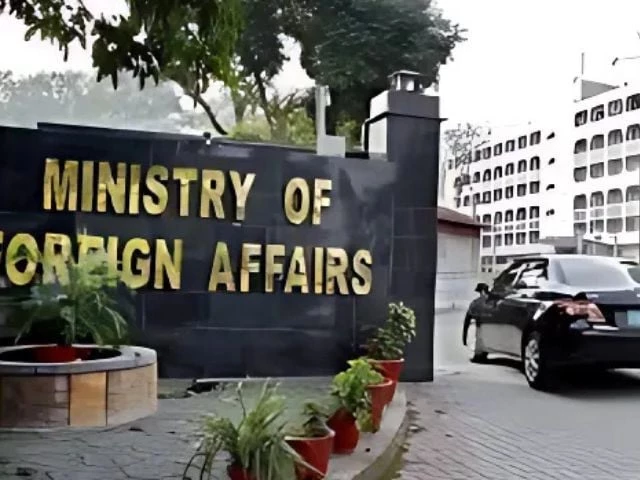
Recently, Pakistan’s Ministry of Foreign Affairs (MoFA) voiced strong condemnation of drone attacks targeting the East-West Pipeline in Saudi Arabia. These incidents occur against the backdrop of an increasingly tense Middle Eastern landscape and are significant for regional peace and stability.
The attacks, which struck the vital oil conduit serving Riyadh and Madinah, have forced Saudi Arabia to temporarily shut down the pipeline. This pipeline is crucial for transporting crude oil from the eastern production and processing areas to refineries and export facilities on the western coast, facilitating a key economic lifeline for the kingdom.
What Happened?
The Saudi Energy Ministry reported that multiple drones, reportedly launched from Iraq, were behind the attacks. Such actions pose not only material risks but also potential threats to international law and local sovereignty, as noted by Pakistan in its official statement. The MoFA underscored that these attacks represent a blatant violation and warned that they pose a serious threat to the broader regional security landscape.
Why Is This Important?
The East-West Pipeline is more than just an infrastructure project; it’s a strategic asset for Saudi Arabia, especially in light of ongoing military tensions in the region. By allowing Saudi Arabia to transport oil without relying on vulnerable shipping routes, it has become essential for the kingdom’s economic security.
Moreover, these attacks follow a series of aggressive activities by the Houthis that have already injured civilians in southern Saudi cities. As tensions escalate, Saudi Arabia faces the dual challenge of ensuring local safety while protecting its economic interests.
Trilateral Cooperation and Future Steps
In response to the ongoing threats, Pakistan, Saudi Arabia, and Turkiye have formalized their strategic ties through the recent signing of the “Makkah Joint Defence Agreement.” This trilateral pact aims to promote military cooperation and deterrence. While immediate military action isn’t being discussed, this agreement serves as a framework for coordinated responses to potential threats in the future.
In acknowledging the complexity of the situation, Pakistani officials emphasized a commitment to ongoing efforts for peace and stability in the region. The geopolitical climate remains exceedingly volatile, making every diplomatic effort vital.
Conclusion
As the situation develops, the need for collaborative international efforts to mitigate threats like these becomes increasingly clear. With countries like Pakistan standing in solidarity with allies such as Saudi Arabia, there is hope for longer-term stability in the region. If you’re interested in staying informed about these geopolitical issues and exploring how they impact global relations and local economies, connect with us at Pro21st for engaging discussions and insights.