
Understanding Property Documents in Pakistan: A Clear Guide
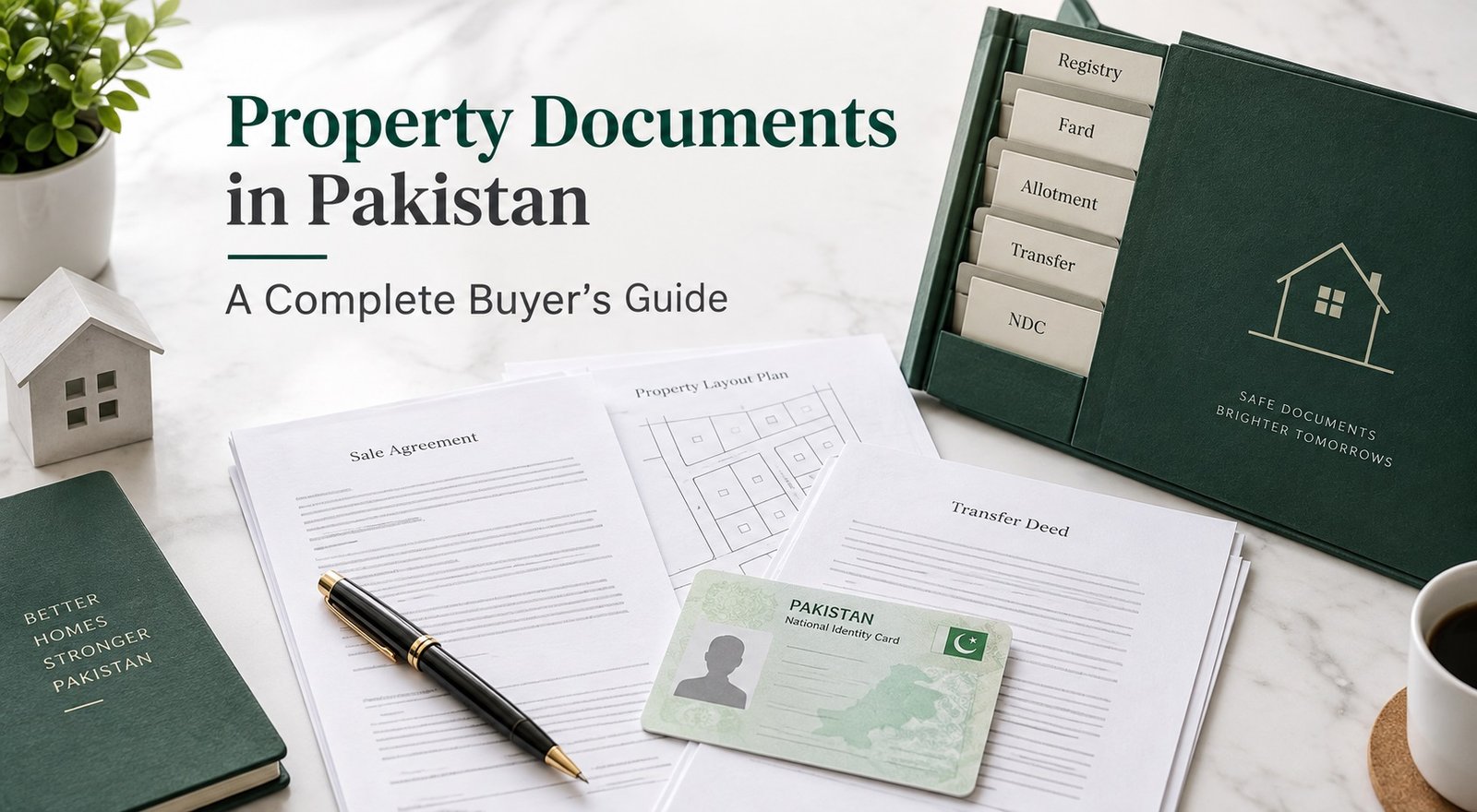
When it comes to buying or selling property in Pakistan, one of the first phrases you’ll hear is “documents complete hain.” But what does that really mean? It often refers to a bundle of important papers like allotment letters, transfer letters, and receipts. However, these documents serve different purposes and it’s crucial to understand what each one actually proves.
Many buyers jump into transactions without fully grasping the significance of the documents they’re examining. Some may identify the rightful owner, while others confirm dues have been paid or record construction approvals. It’s vital to understand that not all documents are created equal.
The Importance of Document Verification
In Pakistan, property documentation is not standardized. For example, revenue land in Rawalpindi has a distinctly different record trail compared to a plot in CDA-sector Islamabad. It’s essential to identify which regulatory framework governs your property. This helps in determining which documents should be present.
When you’re evaluating a potential investment, look for a coherent story in the documents. Key papers like the Registry or Fard must align with each other. If discrepancies arise, it’s a red flag. Conduct due diligence and make sure your documentation supports a consistent narrative about ownership and legal rights.
Common Types of Property Documentation
Here’s a quick rundown of some common types of documents you might encounter:
-
Registry or Sale Deed: This records the transaction and should contain essential details like buyer and seller information, property description, and more.
-
Fard: An official extract indicating current ownership and land identifiers. This should align with the Registry.
-
Intiqal or Mutation: This reflects any changes in ownership, ensuring that the current seller is indeed the rightful owner.
- NDC (No Demand Certificate): Certifies that there are no outstanding dues against the property.
Key Considerations
While it’s important to have documents, what’s more crucial is that they collectively provide a clear picture:
-
Verification: Always check the authenticity of documents with the issuing authority. For example, a DHA allotment letter should include specific identifiers like plot number and owner details.
-
Ownership Chain: Make sure the trail from the original owner to the current seller is clear and unbroken.
-
Site Inspection: Physically inspect the property to ensure it matches the documents.
- Regulatory Compliance: Confirm that the property lies within approved areas and satisfies local building codes.
Final Thoughts
Navigating the world of property documents in Pakistan can be daunting. However, with the right understanding and thorough verification, you can secure your investment confidently. Sites like Thaikadar (ٹھیکیدار) offer real estate updates and opportunities tailored to your needs. For additional insights, consider exploring Pro21st to stay informed and connected in your property journey.
With a little due diligence, your property acquisition can be not just a transaction but a successful investment!
Feel free to reach out for further guidance on property matters!