
The Future of Filmmaking: How AI is Changing the Game in China
Artificial intelligence is shaking up industries left and right, and the film sector is no exception. Recently, Zhu Zhili, a prominent AI director in China, revealed how Shenzhen has become a hotspot for AI filmmakers seeking to revolutionize the movie-making process. With a booming tech ecosystem, it’s no surprise that local governments are eager to attract talent and investment.
Two years ago, Zhu decided that Shenzhen was the perfect base for his AI film studio. Fast forward to today, and he’s inundated with requests from various cities hoping to be the next hub for AI films. It’s a clear demonstration of China’s push to incorporate AI into every corner of the economy, from autonomous vehicles to, yes, your next favorite film.
What’s driving this wave? Several factors make it more attractive for filmmakers to dip their toes into AI. For one, the production costs have plummeted. Reports show that creating AI-generated short dramas can be achieved for a fraction of traditional costs—think 5,000 yuan ($747) per minute dropping to just a few hundred. That opens the door for many aspiring filmmakers who previously may have found the costs prohibitive.
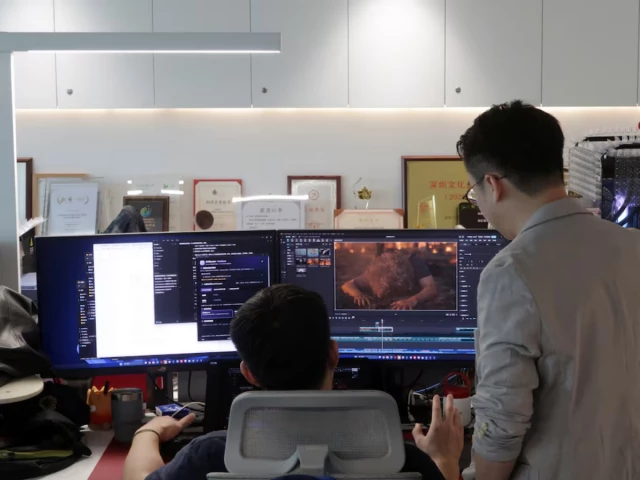
Government incentives are also playing a significant role. Cities like Shanghai and Beijing are ramping up support with grants and resources. In Shenzhen, filmmakers benefit from low rent and living allowances, making it an attractive option for tech-driven creators. Zhu himself operates from a shared workspace backed by both local government and educational institutions. This collaborative spirit fosters innovation, making it easier for new ideas to flourish.
The Rise and Risks of AI Filmmaking
While it’s clear that AI could provide a competitive edge, the landscape isn’t without its challenges. The sheer volume of new AI-generated content can lead to oversaturation. Data shows that while there are 221,900 AI shows launched on Douyin (China’s TikTok), less than 1,100 achieved significant viewership. This raises questions: Is too much AI content being produced? Are we entering a race to the bottom in terms of quality?
Moreover, pushback is building. Concerns around copyright infringement and job security for traditional actors are growing. Voices from the community are calling for stricter regulations and clearer guidelines on the use of AI in filmmaking. Public sentiment appears mixed; while some embrace the tech, others complain of a loss of originality and fear that AI might take over traditional roles in the creative process.
Looking Ahead
Despite the challenges, the future appears bright for AI in cinema. With companies like iQIYI investing heavily in AI content and even securing public licenses for significant projects, China is setting the stage to be a leader in this burgeoning industry.
So, as we venture deeper into this exciting new phase of filmmaking, it’s worth keeping an eye on the developments in AI technology and its regulations. The world of cinema is evolving quickly, and with that, new opportunities for creativity and innovation are emerging. If you’re intrigued by how AI is blending into our lives and industries, consider exploring platforms like Pro21st that keep you updated on the latest trends and insights.