
The Truth Behind Viral Visuals of Imran Khan: A Deepfake Debunking
In a world filled with rapidly shared misinformation, it’s easy to get caught up in viral trends, especially when they involve high-profile figures. Recently, videos and images claiming to show former Prime Minister Imran Khan meeting with his lawyers inside Adiala Jail circulated widely across social media platforms like X and Facebook. But as it turns out, these visuals are not what they seem.
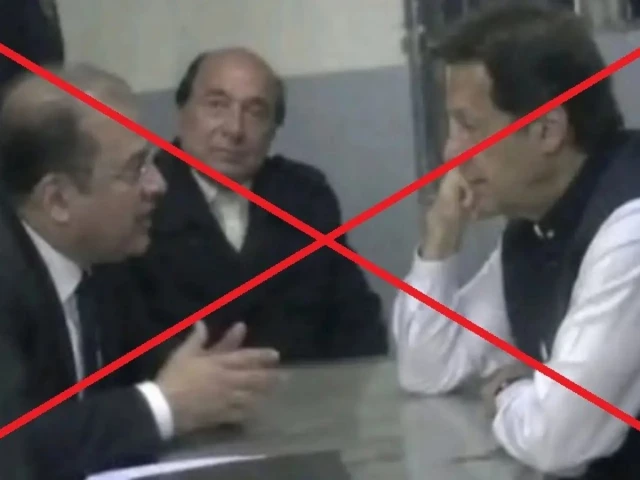
On November 11, 2026, multiple pro-PTI accounts shared images allegedly depicting Imran Khan in a meeting with his lawyers, Salman Safdar and Sardar Latif Khosa, within the confines of Adiala Jail. The posts boasted thousands of views and sparked excitement among PTI supporters. However, a thorough fact-check revealed that these images were generated by artificial intelligence—deepfakes designed to mislead the public.
For the record, Imran Khan has been incarcerated since August 2023, facing various legal battles. His situation is further complicated by the arrest of his wife in early 2025. Despite a ruling from the Islamabad High Court allowing him limited meetings with family and lawyers, these interactions have often been restricted, leaving supporters eager for any glimpse of their leader.
The Rise of AI-Generated Misinformation
The spreading of the deepfake images calls attention to the growing problem of AI-generated misinformation. A diligent fact-checking investigation uncovered several discrepancies in the alleged photos. For instance, the details of Imran’s hands were unclear, with fingers appearing merged—indicators of an AI-generated image. Tools designed to detect such images flagged them as 99% deepfake and 73% AI-generated, stressing that they were not genuine representations.
Additionally, a video claiming to showcase Imran Khan interacting with his lawyers was also reviewed, receiving a significant AI-generated score. This raises concern not just for political discourse but for the integrity of information in our daily lives.
Why It Matters
Misinformation can easily cloud judgment. With high-stakes politics involved, the potential consequences of believing in these fabricated visuals are significant. It can mislead public sentiment, sway opinions, and undermine the very fabric of informed democracy.
Before sharing content, especially in such charged political environments, it’s crucial to pause and verify. Websites and fact-checking organizations dedicated to unraveling lies can provide clarity and prevent the spread of fake news.
As we navigate this digital landscape, connecting with reliable sources is essential. If you’re interested in more insights and in-depth analyses about political events and misinformation, consider joining our community at Pro21st, where we strive to provide well-researched content. Let’s equip ourselves with the knowledge we need to discern fact from fiction.