
Understanding the 27th Constitutional Amendment: What It Means for Pakistan
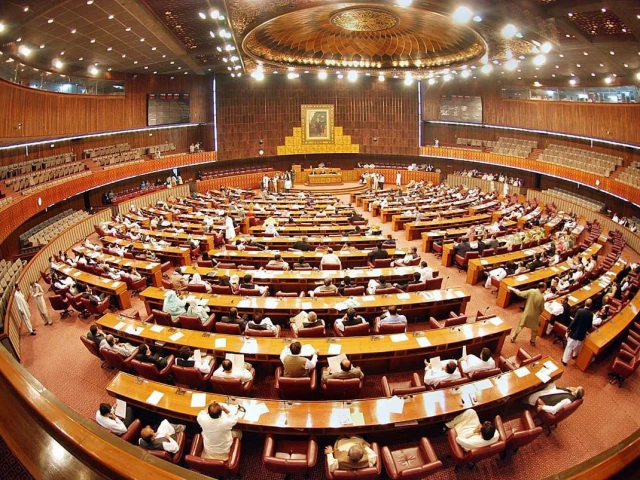
Today marks a significant moment in Pakistan’s political landscape as the Joint Meeting of the National Assembly and Senate Law and Justice Committees convenes at 2 PM. The focus is primarily on the 27th Constitutional Amendment Bill, which the federal cabinet approved earlier this week. This gathering is crucial not just for lawmakers but for all citizens keen on understanding the potential changes in the governance structure.
Key Points from the Senate Session
The Senate session, chaired by Yusuf Raza Gilani, kicked off discussions on the amendment with Federal Law Minister Azam Nazeer Tarar presenting the bill. He proposed suspending the question hour to expedite the process, illustrating the urgency and significance of this amendment. The bill has been referred to a joint parliamentary committee that includes members from both the Senate and National Assembly for detailed examination, with co-chairs Senator Farooq H. Naek and MNA Mahmood Bashir Virk at the helm.
Notably, all political parties will have the opportunity to participate in these discussions, as Tarar underscored the importance of thorough debate before advancing the bill. However, not all voices echoed the same enthusiasm. Opposition senators expressed concerns about the lack of consensus, claiming they were given insufficient time to review the amendments before they were presented.
What’s in the 27th Amendment?
One significant aspect of this amendment is the proposal to limit the executive’s powers regarding the transfer of judges, shifting that authority to the Judicial Commission. This move is aimed at promoting judicial independence, which is often a heated topic in political discourse. Moreover, the amendment seeks to streamline election processes, particularly in Khyber Pakhtunkhwa, ensuring that Senate elections are held simultaneously across the nation.
Interestingly, the amendment also includes provisions to increase the number of advisers to the executive from five to seven. Additionally, it aims to redefine procedures for key appointments and reassess the honorary title of "Field Marshal."
Setting the Stage for Future Stability
The Prime Minister has emphasized that this amendment is a collective effort aiming to bolster the federation’s relationship with provinces, fostering a sense of unity and stability. The contributions from various political leaders, including Nawaz Sharif and Asif Ali Zardari, highlight the collaborative spirit necessary for national advancement.
As this amendment progresses through the parliamentary process, it’s crucial for individuals, businesses, and communities to stay informed about how these changes might affect their rights and governance.
Staying engaged in this process not only empowers you as a citizen but helps shape the future of your country. For more insights and discussions surrounding important legislative developments like the 27th Amendment, feel free to connect with Pro21st. We’re dedicated to bringing you timely and relevant information about Pakistan’s political landscape to help you stay informed and engaged!
At Pro21st, we believe in sharing updates that matter.
Stay connected for more real conversations, fresh insights, and 21st-century perspectives.