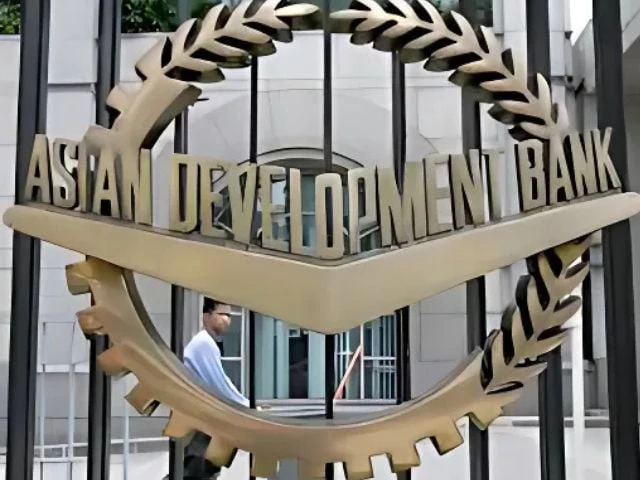

Investing in Resilience: ADB’s $540 Million Support for Pakistan’s Future
In recent news, the Asian Development Bank (ADB) has approved an impressive $540 million financing package aimed at boosting Pakistan’s economic stability and environmental resilience. This initiative is particularly focused on strengthening state-owned enterprises (SOEs) and enhancing disaster preparedness in Sindh’s coastal areas—a crucial response given the increasing threats from climate change.
The financing includes a $400 million results-based loan for reforms in public-sector management and a $140 million concessional loan specifically for the Sindh Coastal Resilience Sector Project. ADB’s Country Director for Pakistan, Emma Fan, emphasized the restructuring of the National Highway Authority as a top priority, underscoring the importance of SOEs in maintaining economic stability.
This approach marks ADB’s inaugural results-based loan aimed solely at improving corporate governance within the public sector. With five years of support under its belt, ADB has facilitated the enactment of the SOE Act and the establishment of a central monitoring unit, ensuring alignment with global standards. The ultimate goal? Enhanced performance and sustainability of enterprises critical to Pakistan’s economy.
But it’s not just about SOEs. The Sindh Coastal Resilience Sector Project is designed to protect vulnerable communities in the districts of Badin, Sujawal, and Thatta. By addressing challenges like flooding and seawater intrusion, this project is expected to impact over 500,000 people positively. The restoration of forests—including mangroves—combined with investments in agriculture will safeguard approximately 150,000 hectares of farmland.
Furthermore, 25% of the project funding will prioritize women-led initiatives, ensuring that the benefits reach all sectors of the community. This aligns seamlessly with Pakistan’s National Flood Protection Plan IV and broader climate policies.
Incorporating nature-based solutions and advanced monitoring tools, the project plans to enhance drainage systems and develop community-led resilience strategies. This holistic approach not only addresses immediate needs but builds a sustainable future for Sindh’s coastline.
As societies worldwide grapple with the impacts of climate change, initiatives like these highlight the significance of innovative partnerships and robust financial frameworks. They serve as a reminder that addressing environmental challenges is not just the responsibility of governments but a shared commitment across sectors.
For those interested in learning how to contribute to sustainable practices or stay updated on environmental initiatives, organizations like Pro21st offer valuable resources and insights. Together, we can pave the way for a resilient future for all.
At Pro21st, we believe in sharing updates that matter.
Stay connected for more real conversations, fresh insights, and 21st-century perspectives.