
Artemis II Mission: A New Chapter in Lunar Exploration
The Artemis II mission is making waves, and for good reason! Just recently, four brave astronauts ventured farther into space than any humans before them, achieving a remarkable flyby of the moon’s often-hidden far side. This daring expedition not only captures hearts but also provides invaluable insights into our celestial neighbor.
On April 2, 2024, NASA’s Orion spacecraft, about the size of an SUV, soared about 4,070 miles above the lunar surface. As the crew swept past, they witnessed something remarkable: meteors colliding with the moon, creating “impact flashes” that lit up the shadowed terrain. Picture this: while peering out of Orion’s windows, these astronauts were treated to sights reminiscent of the universe’s unfathomable chaos—a cosmic bombardment right in front of their eyes!
Gathering at NASA’s Johnson Space Center, around two dozen scientists worked diligently to track these lunar phenomena in real time. Historically, only 12 humans have set foot on the moon, part of the Apollo missions from 1969 to 1972. With Artemis, however, we are taking a giant leap forward, aimed at establishing a long-term human presence on the moon—think moon bases and even future missions to Mars. It’s a bold plan to reclaim our role in space exploration.
Interestingly, this mission serves as a “dress rehearsal” for future lunar landings, but it’s also providing scientists with a treasure trove of data. The meteor impacts the Artemis crew recorded resemble streaks of light described by Apollo astronauts several decades ago. So, we’re getting a unique peek back in time, alongside new views of our lunar landscape.
The camaraderie among the Artemis II crew—U.S. astronauts Reid Wiseman, Victor Glover, Christina Koch, and Canadian astronaut Jeremy Hansen—is palpable. Each astronaut brought something special to the mission, from proposing new names for lunar features to sharing memories of loved ones lost. Hansen’s suggestion to name a crater after Wiseman’s late wife is particularly touching and highlights the emotional connection between human experiences and the vastness of space.
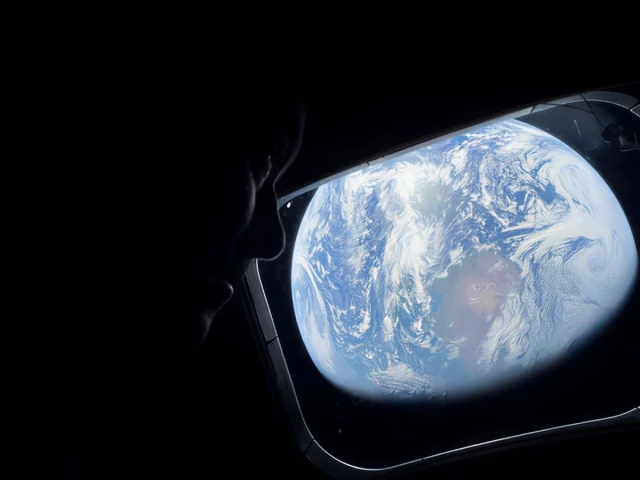
As they circled the moon, the astronauts shared the extraordinary moment of Earth’s sunrise and sunset, seen from a perspective few have experienced. Their journey coincided with a 40-minute communications blackout while they zipped behind the moon. During this time, they were isolated from Earth—an exhilarating but likely nerve-wracking moment!
When contacted by President Donald Trump, the crew expressed their excitement and awe. Koch, in particular, celebrated the special moment of seeing Earth again after the blackout, highlighting the emotional impact of their historical journey.
The Artemis II mission is not only about looking back and documenting the moon, but it also embodies hope for future generations. It sparks renewed interest in space, allowing everyone—from scientists to dreamers—to imagine what lies ahead. Whether it’s the potential for life on Mars or establishing a moon base, the possibilities are endless!
For those interested in the universe and our place in it, the Artemis program is a thrilling chapter to follow. With each mission, we’re drawing closer to understanding not only the moon but also what it means for humanity’s future in space. If you’re curious about how you can get involved or learn more about the ongoing adventures in space exploration, consider connecting with organizations like Pro21st. They offer valuable insights and opportunities to engage with cutting-edge developments in science and technology!