
Sindh’s Progress Amidst Political Turbulence: A Closer Look
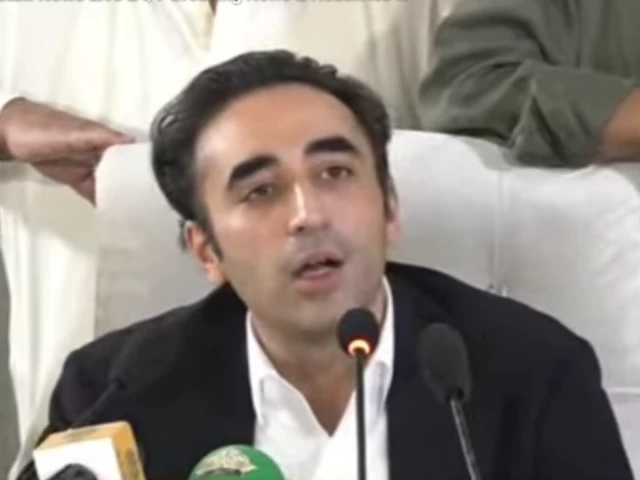
In a recent press conference, Bilawal Bhutto-Zardari, the Chairman of the Pakistan Peoples Party (PPP), addressed some pressing concerns about Sindh’s political landscape. Speaking from Tharparkar, he raised alarms over what he described as a conspiracy aimed at undermining the province’s rights and resources. His comments resonated with many who have had their doubts about Islamabad’s intentions toward regional governance.
Bilawal emphasized that there’s a narrative perpetuated by certain factions claiming that the Sindh government has not performed adequately. This notion, he argued, serves as a pretext for centralizing power back in Islamabad. By promoting the idea that Sindh has fallen short, these groups are essentially attempting to strip the province of its autonomy. He didn’t mention names but made it clear that a “special campaign” was at play to create a negative image of Sindh.
Meanwhile, he pointed to tangible developments in Tharparkar, showcasing the significant strides made since 2008. “Look at Tharparkar before and after,” he urged the audience, highlighting progress in education, health, and infrastructure. The establishment of the Tharparkar Institute of Engineering, Science, and Technology is a testament to these advancements, marking a turning point for local education and opportunity.
Bilawal’s reflections also touched upon historical barriers that have impeded Sindh’s growth, citing his late mother, Benazir Bhutto, and the challenges she faced in launching vital initiatives like the Thar coal project. He drew a powerful comparison, equating Sindh’s coal reserves to the oil wealth of Saudi Arabia, emphasizing the untapped potential that could have catalyzed economic prosperity long ago.
His commitment extended beyond mere rhetoric; he stated that the authenticity of development initiatives in Thar and across Sindh speaks for itself, countering claims of ineptitude. Moreover, he expressed pride in the increasing numbers of female students achieving tertiary education, reflecting a societal shift toward empowerment and equity.
As Bilawal looks ahead, he envisions a brighter future for Sindh, driven by local governance and community engagement. The second phase of the Tharparkar Institute is poised to elevate the educational landscape even further, with plans to transform it into a university by 2029.
The contrasts between past struggles and current progress make for a compelling narrative. Regardless of the political maneuvering at play, the focus should remain on the people of Sindh—their ambitions, their rights, and their resources. It’s essential for the narrative of development to be shaped by those on the ground, ensuring that the voices of the people are heard in the corridors of power.
For more insightful discussions and updates on local initiatives, connect with us at Pro21st. Together, let’s foster a conversation around growth and empowerment in our communities.
At Pro21st, we believe in sharing updates that matter.
Stay connected for more real conversations, fresh insights, and 21st-century perspectives.