
The Evolving Landscape of Pakistani Politics
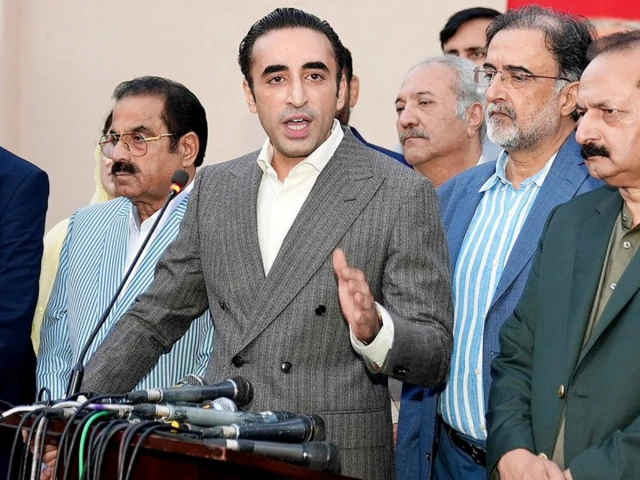
In recent discussions surrounding the political scene in Pakistan, the voice of Bilawal Bhutto Zardari, Chairman of the Pakistan Peoples Party (PPP), has been hard to ignore. Recently addressing a press conference, he raised some thought-provoking points about the responsibilities of political parties during such turbulent times. While his comments sparked debate, they also highlighted the ongoing challenges in governance and national security.
Bilawal urged political parties to behave responsibly, stressing that while he doesn’t advocate for banning any party, there must be accountability. He specifically mentioned the Pakistan Tehreek-e-Insaf (PTI), hinting that their current approach could lead to restrictions if they continue down the path of extremism. It raises an important question: What role should political entities play in engaging with the public? The expectation is simple — to promote dialogue rather than divisiveness.
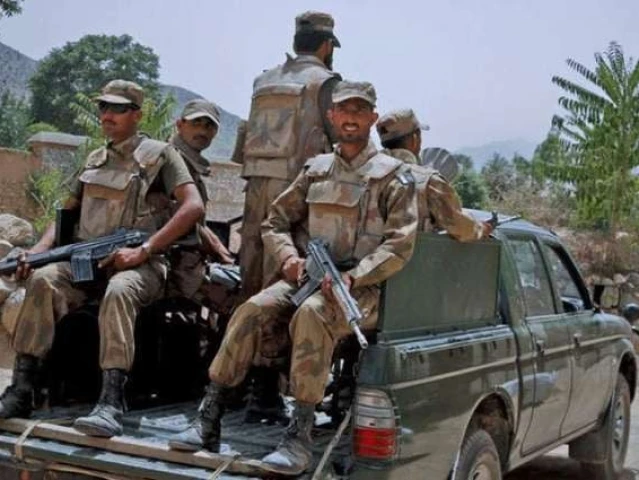
The recent focus on Khyber-Pakhtunkhwa illustrated another layer of complexity, with Bilawal warning that associations with terrorist groups could precipitate the imposition of governor’s rule. This highlights a crucial point about political allegiance and the need to tackle terrorism head-on. Bilawal’s position suggests that prioritizing political agendas over national security could have serious repercussions.
In discussing external threats, he reiterated the narrative of past victories, emphasizing ongoing risks from adversaries like India and terrorist factions. This onwards narrative could serve as a rallying point for parties that choose to unite against these threats instead of sowing discord among themselves.
His call for Maryam Nawaz to contest elections in Sindh suggests a desire for healthy competition, not just between parties but also within them. This idea of robust electoral participation could enrich the political process, enhancing democracy in Pakistan.
In a time marked by calls for electoral reform, Bilawal’s remarks resonate. A transparent election process is critical in alleviating concerns over the legitimacy of leaders, a sentiment echoed across various political affiliations.
While the path ahead for Pakistani politics is fraught with challenges, Bilawal’s perspectives underline the importance of constructive political behavior in shaping the future. As we continue to navigate these complex political waters, engaging dialogues like this can foster a more accountable and collaborative political environment.
If you’re interested in staying updated on such discussions and more, connect with platforms that prioritize political awareness and civic engagement, like Pro21st. Engaging with thoughtful political commentary can help us all contribute to a better understanding of these critical issues.
At Pro21st, we believe in sharing updates that matter.
Stay connected for more real conversations, fresh insights, and 21st-century perspectives.