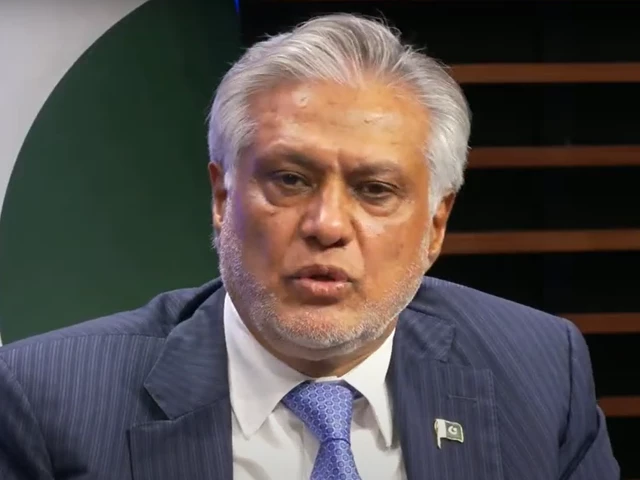
The Future of Constitutional Amendments: Akram Sheikh’s Bold Move
In a riveting session at the Supreme Court, senior lawyer Akram Sheikh has urged the constitution of a 24-member bench to deliberate on the controversial 26th Constitutional Amendment. Sheikh argues that this amendment was crafted to sidestep scrutiny of the general elections that took place last February. It’s a claim that has set the stage for intense legal and political discussions.
Sheikh presented his case to an eight-member constitutional bench led by Justice Amin-ud-Din Khan, emphasizing that the amendment’s background plays a crucial role in understanding its intent. He pointed out the widespread belief that the elections might be subject to scrutiny, and he suggested that the amendment’s primary aim was accountability avoidance—a serious allegation that raises eyebrows.
After the Supreme Court’s 2022 ruling regarding reserved seats, concerns began to circulate among government officials about the potential examination of the February elections, particularly in light of former Chief Justice Qazi Faez Isa’s impending retirement. Defence Minister Khawaja Asif has publicly voiced apprehensions regarding this issue, maintaining that the government was right to fear a review.
Interestingly, the timing of the government’s decisions appears telling. The announcement of Justice Isa as the next Chief Justice didn’t coincide with the same notification for senior puisne judge Syed Mansoor Ali Shah, which has led experts to speculate whether the government was strategically maneuvering through the legislative landscape to secure favorable outcomes.
With Sheikh now calling for a broader bench, he raises substantial questions regarding the legitimacy of the current team. He contends that it’s illogical for a bench formed under the 26th Amendment to evaluate an amendment that itself could potentially invalidate its foundation. In essence, he argues that if the bench declared the amendment void, it would undermine its own authority.
Sheikh cleverly pointed out, “The bench cannot possibly cut the very branch on which it is sitting,” highlighting the precarious balance between accountability and judicial authority. Moreover, he argues that the Supreme Court serves as the ultimate body to uphold rights, echoing the principle that "where there is a right, there is a remedy."
As debates surrounding this amendment unfold, it could lead to significant implications for the judicial landscape in Pakistan. The tug-of-war between legislative power and judicial independence is becoming increasingly pronounced. For those captivated by the developments in Pakistan’s legal arena, Akram Sheikh’s fearless confrontation is definitely a topic worth following.
In the ever-evolving realm of law and politics, engaging discussions not only enlighten us but also provide a platform for civic participation and reform. If you’re interested in more insightful analyses and updates about significant legal matters, connect with us at Pro21st. Let’s explore these important issues together!
At Pro21st, we believe in sharing updates that matter.
Stay connected for more real conversations, fresh insights, and 21st-century perspectives.