
Understanding Pakistan’s Current Security Landscape: Insights from DG ISPR
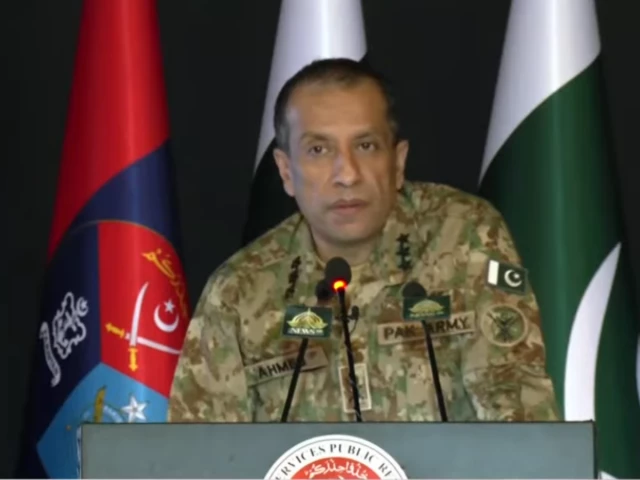
In a recent press conference, the Director General of Inter-Services Public Relations (ISPR), Lieutenant General Ahmed Sharif Chaudhry, provided a comprehensive overview of Pakistan’s security situation, focusing particularly on ongoing challenges in Balochistan. With the country facing significant security threats, Chaudhry revealed that Pakistani security forces have conducted 40,348 intelligence-based operations (IBOs) this year alone, resulting in the targeted elimination of 2,084 terrorists—an average of 10 per day.
One of the key points raised during the briefing was the concern about national identity and obligations. Chaudhry emphasized that while discussions around rights are essential, they must be balanced with a strong sense of obligation to the state. As he aptly put it, "Loyalty to the state is the basic duty of every citizen." This is a call for unity and collective responsibility, reminding citizens that their first identity should be that of a Pakistani, rather than solely defined by provincial ties.
Highlighting the significant troop and civilian casualties, with 819 martyrs reported this year, the DG ISPR stated that awareness and proactive measures are essential. Notably, the majority of the suicide bombers involved in various attacks have been identified as Afghan nationals, which points to a broader regional security dimension.
Chaudhry also addressed the rising number of terrorist incidents, attributing it to both the agenda of certain extremist groups and the proactive posture taken by Pakistani forces against them. "Once we get more proactive and engage," he noted, "there will be engagement, and incidents will increase." This reflects a crucial turning point in the state’s strategy—moving from reactive to proactive measures in tackling security threats.
The conversation around Balochistan sheds light on perceptions of the area, often viewed as a hotspot for violence and unrest. Chaudhry’s remarks aim to bridge understanding, indicating that while the situation may be challenging, proactive measures are underway.
As the dialogue continues, it’s important for citizens to stay informed and engaged. For those looking to further their understanding of Pakistan’s defense and security strategies, connecting with organizations like Pro21st can provide additional insights and resources. Engaging with collaborative platforms helps foster a clearer perspective on national issues, contributing to a more informed citizenry.