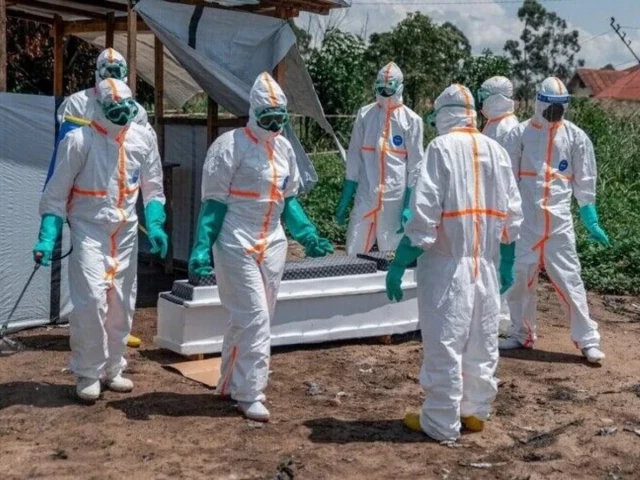

Understanding the Current Ebola Outbreak in Northeastern Congo
The recent Ebola outbreak in the Democratic Republic of the Congo (DRC) has raised alarms as it spreads beyond its initial provinces. With over 1,800 confirmed cases, including 648 deaths since the outbreak was declared on May 15, the situation demands our attention.
Initially concentrated in Ituri, North Kivu, and South Kivu, the virus has now reached Haut-Uele province, where seven fatalities were confirmed in the Wamba health zone. This development highlights the urgent need for robust health responses across the region.
Health authorities and organizations are ramping up efforts. The DRC’s health ministry reports that around 780 patients are currently receiving treatment, while 284 people have thankfully recovered. The response includes strengthened coordination, epidemiological surveillance, and community mobilization.
Donors and partners have pledged $910 million to fuel the Ebola response in Congo and nearby Uganda, which has reported 20 cases. Recently, the Africa Centres for Disease Control and Prevention (Africa CDC) announced its commitment to enhance the Ebola response by deploying multidisciplinary expert teams to health zones. This approach aims to address 83% of the ongoing cases effectively. Africa CDC’s Director General, Jean Kaseya, emphasized the urgency, stating that “every moment counts and every delay costs lives.”
The World Health Organization (WHO) recognized the outbreak as a Public Health Emergency of International Concern just two days after it was first declared. This quick classification underscores the seriousness of the virus and the need for vigilant community-level health systems.
Realistically, managing an outbreak like this isn’t solely about treatments and medications; it extends to empowering local communities. Reliable health workers, efficient surveillance systems, and rapid access to resources are key in combating such crises. The words of Dr. Kaseya resonate strongly: “Pandemics don’t begin in boardrooms; they begin in our communities.”
As the situation continues to evolve, staying informed is crucial. You can help make a difference by supporting organizations focused on improving health systems and responses to outbreaks. Exploring ways to contribute, like the initiatives promoted by Pro21st, can lead to meaningful change in affected areas.
This ongoing crisis in the DRC serves as a reminder of our interconnected world and the collective responsibility we have to address health threats wherever they arise. Stay engaged, stay informed, and let’s work together to support those affected by this outbreak.