
EU Contemplates Social Media Regulations for Children: What You Need to Know
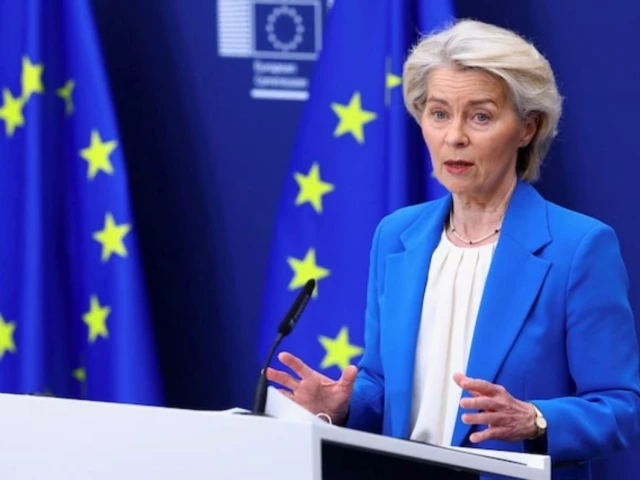
The European Union (EU) is gearing up to tackle social media accessibility for children, a topic that’s becoming increasingly crucial in our digital age. With rising concerns from countries like Greece and France, the push for regulations has never been more intense. EU Commission President Ursula von der Leyen has proposed a strategy to introduce "phased and gradual access" to social media for young users, emphasizing the need to protect children from potential online harms.
A recent expert panel, consisting of doctors, academics, and parents, recommended clear guidelines. For instance, they suggested no screen time for babies and toddlers and supervised access to age-appropriate platforms for children aged three to 12. As for teens aged 13 to 18, the experts advocate for an "evolving autonomous use" approach that incorporates safety features to ensure a safer online experience.
One of the main arguments from von der Leyen is that it’s not just about access; it’s about how social media interacts with children. “We need to think about when social media can really interact with our children, rather than the other way around,” she noted. A legislative proposal is expected later this year, aiming to establish a common age limit, something that has been a point of contention among EU countries.
France, for instance, wants to set the bar at 15 years old, while Spain has proposed 16. Countries like Estonia, however, are against imposing any bans. Von der Leyen emphasized the importance of a harmonized approach, as inconsistent regulations could lead to confusion and varied enforcement across the 27 member states.
The EU is already taking substantial actions to hold platforms accountable. Recent directives have pushed companies like Facebook and Instagram to review their addictive features, aiming for a safer online environment. Consumer protection chief Michael McGrath has stated that upcoming laws will strengthen protections against manipulative designs, ensuring that children can navigate the online world without falling prey to harmful practices.
The recommendations by the expert panel reflect a growing recognition that children today face serious risks in the digital landscape. As the EU prepares to draft new regulations, parents and guardians are encouraged to stay informed and engaged in discussions around these important changes.
For those interested in diving deeper into this vital conversation about digital safety, you can connect with experts and find resources at Pro21st, a platform dedicated to supporting informed dialogues around technology and its impact on society. Your engagement in these discussions could help shape a safer online future for our children.