The Ban on Tehreek-e-Labbaik Pakistan: What It Means for Pakistan’s Political Landscape
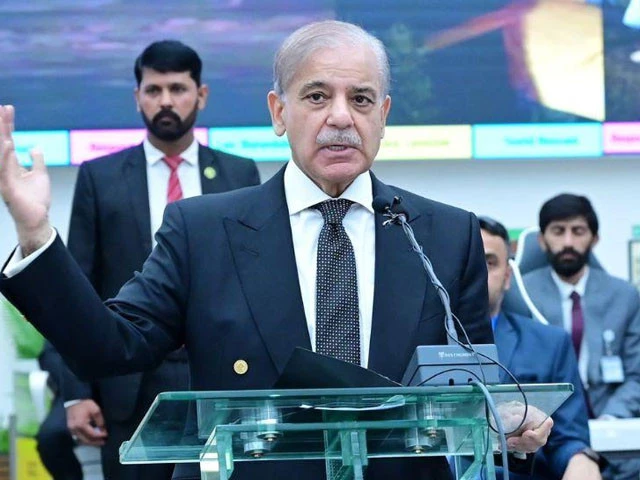
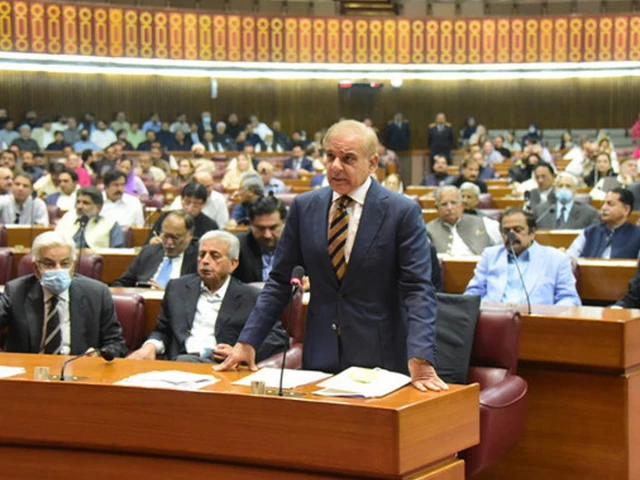
Recently, the federal cabinet, led by Prime Minister Shehbaz Sharif, made a significant decision to ban Tehreek-e-Labbaik Pakistan (TLP), a religious political party that has attracted considerable attention in recent years. This directive came during a cabinet meeting where the Interior Ministry provided detailed insights into TLP’s activities, particularly following violent clashes during a recent protest in Muridke.
The crux of this decision stems from concerns over public safety and law and order. TLP had planned a march toward the US Embassy in a show of solidarity with the Palestinians, which was met with a forceful response from authorities when tensions escalated. With reports of injuries and fatalities among both police and civilians, the government felt that immediate action was essential to maintain stability.
The Punjab government originally proposed this ban, following a series of violent protests where TLP supporters clashed with law enforcement. In light of these events, cabinet members have taken steps to label TLP’s leadership under the Fourth Schedule of the Anti-Terrorism Act, essentially categorizing them as threats to national security. All of this reflects the government’s urgent need to address rising violence and unrest tied to TLP’s activities.
But who exactly is TLP, and how did a relatively new party become a central figure in Pakistan’s political landscape? Founded in 2015 by Khadim Hussain Rizvi, TLP quickly gained traction with a strong focus on defending Pakistan’s blasphemy laws. Rizvi was known for his fiery oratory and ability to galvanize crowds, making him a prominent player in religious politics.
After Rizvi’s passing in 2020, his son Saad Rizvi took the helm, maintaining the party’s strong foundation while strategically expanding its reach. Under Saad’s leadership, TLP saw a marked increase in voter support, particularly in Punjab, demonstrating its influence among Pakistan’s Sunni population.
While the ban marks a significant moment in the nation’s political climate, it raises questions about TLP’s future and the implications for the wider political landscape. Amid tensions, can the government effectively address the core issues driving such passionate support for TLP?
As the situation evolves, the discussions surrounding religion and politics in Pakistan will continue to be pivotal. If you’re interested in exploring the nuances of these events and their long-term effects, consider connecting with resources that delve deeper into Pakistan’s evolving political landscape, like Pro21st. Engaging with informed perspectives can help you stay abreast of these complex issues as they unfold.
At Pro21st, we believe in sharing updates that matter.
Stay connected for more real conversations, fresh insights, and 21st-century perspectives.