
Understanding Pakistan’s Financial Dynamics: A Look at Recent IMF Developments
In recent discussions surrounding Pakistan’s financial health, the Finance Ministry has taken a rather interesting stand. They’ve chosen to stick to biannual reporting instead of the quarterly updates proposed by the International Monetary Fund (IMF). This decision comes amid ongoing negotiations about a substantial $7 billion bailout package aimed at stabilizing the country’s economic landscape.
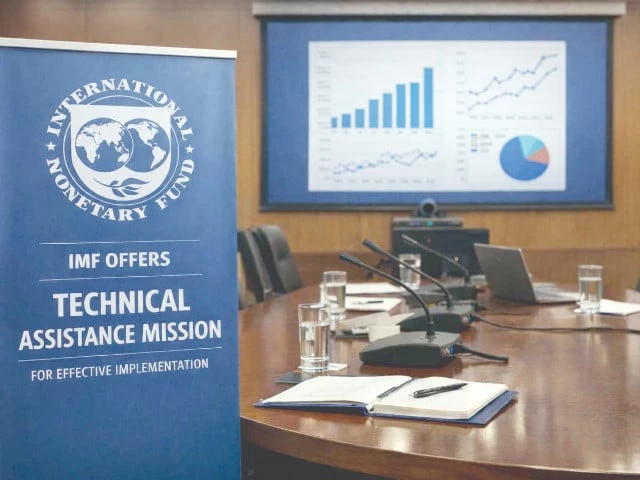
Now, you might be wondering why the Finance Ministry opted for a less frequent reporting schedule. The government believes it has the necessary in-house expertise to manage the implementation of the IMF’s action plan, which consists of 142 critical steps targeting governance and corruption frameworks. This is a bold move, especially since Pakistan has previously turned down IMF proposals for technical assistance in these areas.
Interestingly, despite declining IMF assistance, the government has sought help from the UK’s Foreign and Commonwealth Development Office to work on the action plan. This project stems from the IMF’s Governance and Corruption Diagnostic Assessment (GCDA) report, released after much delay and under the pressure of securing a $1.2 billion loan tranche.
Feedback from the Global Think Tank Network (GTTN) has been quite pointed, praising the analytical strengths of the IMF’s diagnostics while criticizing significant omissions. Concerns have been raised about the efficacy of accountability structures and the extent of political influence over reforms.
As these discussions unfold, the IMF has pushed for transparency, suggesting the inclusion of civil society representatives in key implementation committees to ensure broad-based oversight. The government has assured the IMF of its intent to involve outsiders in these committees, though skepticism remains about whether they’ll genuinely embrace diverse voices.
The different committees formed, such as the Economic Governance Systems Committee and the Anti-Corruption Committee, aim to provide strategic oversight and guide the necessary reforms. This structured approach is intended to ensure that improvements in areas like anti-money laundering and overall governance are meticulously executed.
Moreover, Pakistan has committed to enhancing its efforts against money laundering, making strides to clarify previously ambiguous legal frameworks, boost the quality of Suspicious Transactions Reports, and improve cooperation on asset recovery. These efforts showcase the government’s recognition of the importance of a robust financial system and its accountability to both domestic and international stakeholders.
In a financial climate that is constantly evolving, staying informed and engaged with developments like these is essential. If you ever want to dive deeper into subjects like these or need assistance navigating the complexities of financial reforms, connecting with platforms like Pro21st can be incredibly beneficial. With insights and resources, they can help you make sense of the changing economic landscape.