The Complex Landscape of Protests in Pakistan
Recently, Interior Minister Mohsin Naqvi made headlines by addressing the ongoing protests in Pakistan, emphasizing the delicate balance between the right to protest and the government’s responsibility to maintain law and order. While he acknowledged peaceful protesting as a fundamental right, he was firm in stating that any form of violence, including arson or armed aggression, would not be tolerated.
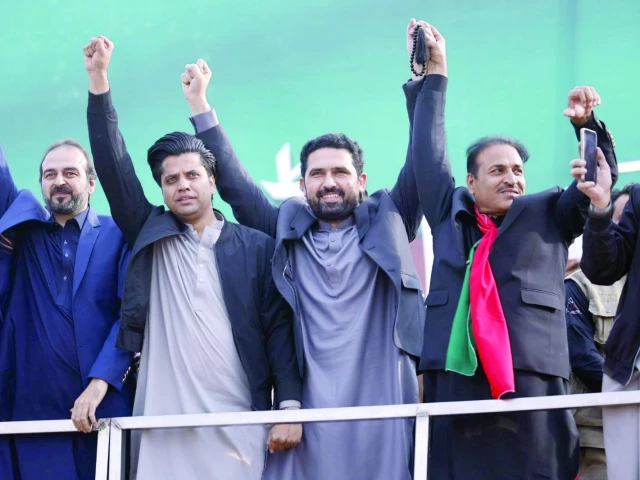
During a media briefing, Naqvi highlighted incidents where armed groups reportedly fired at police, accusing the Tehreek-e-Labbaik Pakistan (TLP) of escalating tensions rather than seeking dialogue. He detailed the government’s attempts to negotiate with TLP leaders even into the early hours of the morning, asserting that their demands were unreasonable and their intentions questionable.
The interior minister’s comments reflect a broader concern about the increasing frequency of protests in Pakistan, sometimes occurring every few weeks. He identified potential external influences but refrained from naming them, suggesting there might be a coordinated effort behind these movements. This raises the question: how do we differentiate between legitimate expressions of dissent and orchestrated unrest?
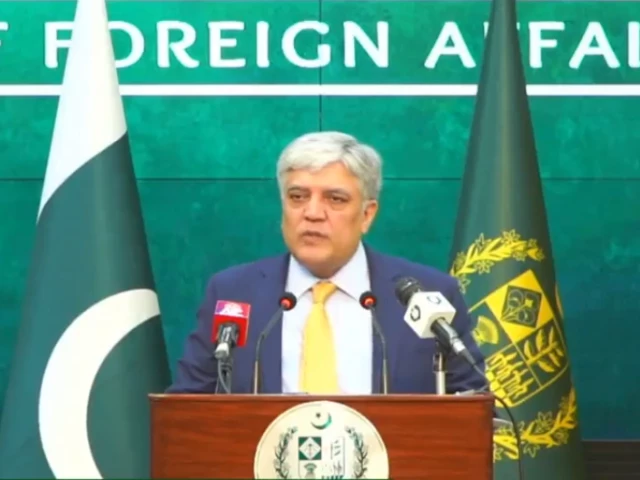
Interestingly, Information Minister Attaullah Tarar confirmed that the situation was managed with respect for peaceful protests but made it clear that any acts of violence would meet a strict response. He condemned the tactics used by some protesters, who not only destroyed property but also endangered the lives of security personnel. The tragic case of a police officer who was fatally shot highlighted the extreme consequences of such actions.
Naqvi’s stance is not merely about governance; it’s a reminder that with rights come responsibilities. While citizens must feel free to express their grievances, the challenge lies in ensuring that such expressions do not devolve into violence, which ultimately disrupts public safety and order.
In light of these events, fostering a culture of constructive dialogue becomes imperative. Protests can be a powerful tool for change, but they should aim for impact rather than chaos.
Want to stay updated on these vital discussions? Engage with us at Pro21st as we delve deeper into the nuances of protests, governance, and public safety in Pakistan. Your thoughts and ideas matter!
At Pro21st, we believe in sharing updates that matter.
Stay connected for more real conversations, fresh insights, and 21st-century perspectives.