
Big Tech Must Adapt to India’s Cultural Context: Insights from the AI Impact Summit
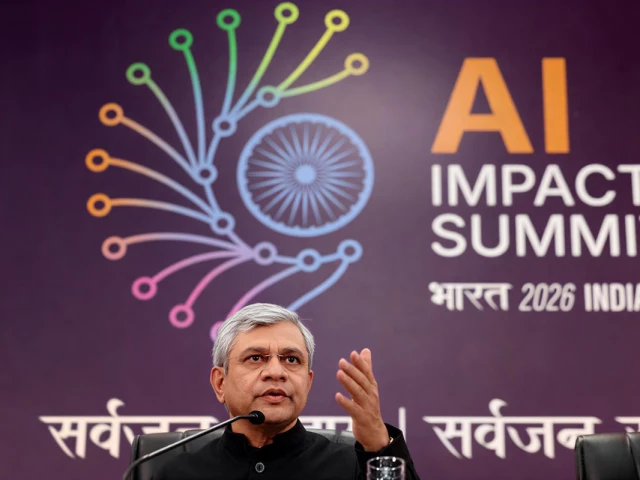
At a recent press conference during the AI Impact Summit in New Delhi, India’s Minister for Railways and Information Technology, Ashwini Vaishnaw, made a significant statement regarding the responsibilities of large tech companies like Google, Meta, and Netflix. He emphasized that these platforms must operate within India’s constitutional framework and respect the cultural context of the country. This comes on the heels of New Delhi tightening its content-takedown rules, which now require social media companies to remove unlawful content within just three hours of notification—down from the previous 36-hour window.
As digital content continues to evolve, the challenge of managing it responsibly is more critical than ever. Vaishnaw highlighted the importance of ensuring that multinational corporations recognize and adapt to the socio-cultural fabric of India. This is not just about compliance; it’s about building trust with users and fostering a safer online environment. With the growing global call for stronger content moderation, especially around sensitive topics like deepfakes and child safety, it’s clear that the social media landscape is in a state of flux.
The pressure is mounting not only in India but worldwide. Countries from Europe to South America are demanding more accountability from these tech giants. For instance, while Spain is investigating platforms like X and Meta for allegedly distributing AI-generated harmful content, lawmakers everywhere are looking for ways to ensure that responsibility is shared.
So, what does this mean for both consumers and the tech industry? For users, it means a safer online experience where harmful content can potentially be addressed more quickly. For tech companies, it requires a shift in how they approach content moderation and user engagement, ensuring they have robust systems that comply with local laws and social expectations.
As we navigate these changes, it’s vital for all stakeholders to be proactive and engaged. If you’re interested in exploring how technology is shaping various landscapes or seeking more insights on regulatory changes, check out Pro21st. Join us in the conversation about responsible tech use and the impact it has on our lives!