
Judges Facing Challenges Amidst Executive Interference
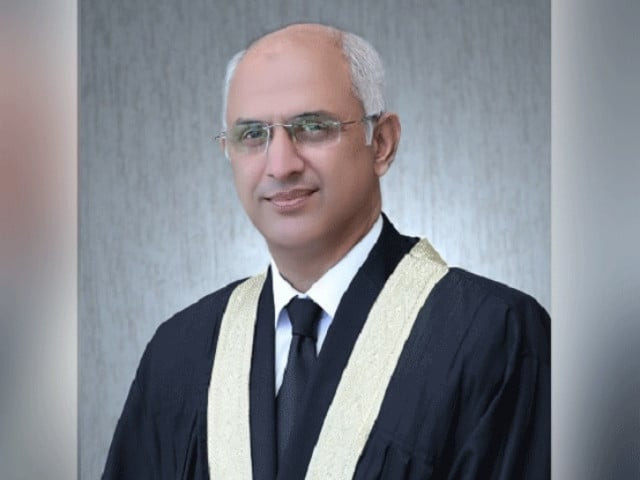
In a recent turn of events, the intersection of law and governance has drawn significant attention in Pakistan. The Islamabad High Court (IHC) has been a focal point, especially regarding the fate of Justice Mohsin Akhtar Kayani. Despite his seniority, he has been overlooked repeatedly for elevation to the Supreme Court, raising eyebrows among legal circles.
During a recent meeting of the Judicial Commission of Pakistan (JCP), Justice Kayani received only a single vote of support from Justice Munib Akhtar for his ascension to the Supreme Court, while other prominent members, including Chief Justice of Pakistan Yahya Afridi, did not back him. This lack of support begs the question: Why is Justice Kayani being sidelined?
Interestingly, the commission did manage to propose Justice Miangul Hassan Aurangzeb for a permanent position in the Supreme Court, who previously faced opposition for a potential appointment as the IHC Chief Justice. Observers note that Aurangzeb’s focus on public image might have influenced decisions regarding his appointments.
A notable shift has occurred in the JCP’s dynamics, particularly after the passage of the 26th amendment, granting significant sway to the executive branch over judicial appointments. This has raised concerns among judicial members, particularly those like Justice Kayani, who have raised alarms about external pressures from agencies interfering with judicial independence.
The challenges extend beyond Justices Kayani and Aurangzeb. Five IHC judges, who previously penned a letter against the involvement of intelligence agencies in judicial matters, are now facing ongoing struggles within their own ranks. Despite their attempts to address hereafter concerns, support from fellow judges has been scant, leaving them in a precarious position.
Meanwhile, the situation has also led to speculations regarding resignations among some judges, following significant shifts in the Supreme Court’s composition. While many are choosing to resist these pressures, they are also challenging legislative changes that constrain their judicial powers.
With rising tensions persistent among judicial circles, the question remains: how can the integrity of the judiciary be maintained when faced with such influences? Discussing these matters openly can lead to a more robust legal framework. If you want to stay updated on the latest developments and understand the implications of these judicial challenges, consider connecting with resources like Pro21st, which provides insights into legal matters and promotes a deeper understanding of ongoing issues.
At Pro21st, we believe in sharing updates that matter.
Stay connected for more real conversations, fresh insights, and 21st-century perspectives.