
The Impact of Recent Constitutional Changes on Pakistan’s Judiciary
In recent weeks, Pakistan’s political landscape has ignited intense discussions, especially surrounding the government’s sweeping constitutional reforms. The Jamaat-e-Islami (JI), led by Hafiz Naeemur Rehman, has been at the forefront of this debate, accusing the government of attempting to distort the foundational principles of the country. This push for reform has raised eyebrows, as it seems to shift significant power towards the executive branch, jeopardizing the independence of the judiciary.
The 27th Constitutional Amendment, which recently passed in the Senate with a two-thirds majority, comprises 59 proposed clauses, some of which have sparked fierce controversy. Notably, changes to Article 243 could restructure military command, and Article 248 allows the president to claim lifetime legal immunity. This raises critical questions about accountability within the government and the rule of law.
Perhaps most concerning is how this amendment proposes significant alterations to the judicial framework. Under the new provisions, the president may transfer high court judges between jurisdictions, which could undermine judicial independence. Additionally, the introduction of a Constitutional Court has stirred fears of a shift in the balance of power, allowing for more executive influence over judicial matters.
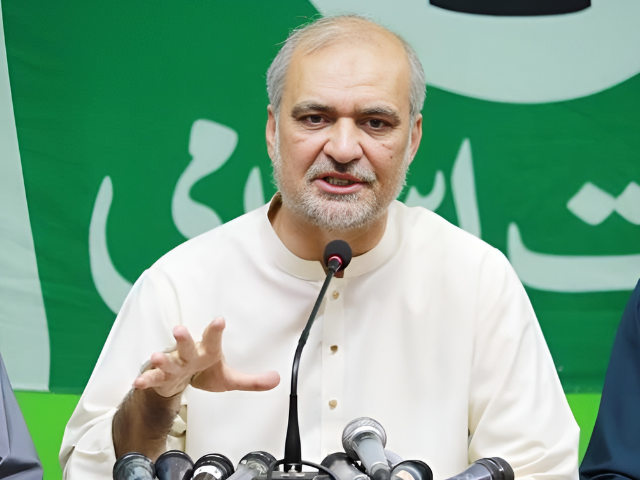
During a recent address to the Lahore Bar Association, Rehman emphasized the importance of preserving the original intent of the constitution. He stated that these reforms would grant the executive branch enhanced control over judicial appointments, effectively altering the power dynamics in the country. "This is a direct interference and an attempt to influence the judiciary," he argued, particularly taking issue with the proposal to change the title of Chief Justice of Pakistan to Chief Justice of the Supreme Court. According to him, this change could allow the Prime Minister to exert undue influence by selecting the nation’s most senior judge.
Furthermore, Rehman challenged Prime Minister Shehbaz Sharif’s claims regarding economic progress, suggesting that referencing stock market gains is out of touch with the struggles faced by everyday Pakistanis. "The reality is that the lives of ordinary citizens tell a different story," he remarked, emphasizing that real economic indicators reflect hardship rather than mere numbers.
Rehman has also taken a stand against what he sees as hypocrisy in the political narrative surrounding the establishment. "This hypocrisy must end," he stated, highlighting how political parties tend to praise or condemn the establishment based on their interests at any given time.
The JI leader did not stop there; he also criticized the appointment process in the Senate, alleging that financial influence plays a significant role in securing seats. Furthermore, he expressed deep concerns regarding the lack of local government elections in Punjab since 2015, denouncing the new Local Government Act for promoting non-party elections, which he believes to be "unacceptable and undemocratic." He insists on the necessity for a transparent, party-based electoral system for local governance.
As discussions around the 27th Amendment continue, the implications of these constitutional reforms will undoubtedly shape the future of Pakistan’s governance and judiciary. It’s crucial now, more than ever, to stay informed on these pivotal changes. If you’re keen to delve deeper into this issue or explore similar topics, consider connecting with resources like Pro21st, where thoughtful dialogue and analysis are encouraged.
At Pro21st, we believe in sharing updates that matter.
Stay connected for more real conversations, fresh insights, and 21st-century perspectives.