
Recent Developments in Pakistan’s Judiciary: Key Appointments and Changes
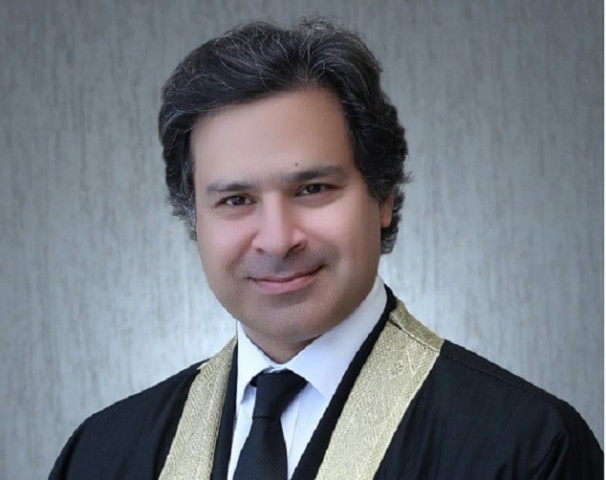
In a significant move for Pakistan’s judicial landscape, the Judicial Commission of Pakistan (JCP) has made several key recommendations for judicial appointments. This includes endorsing Justice Zafar Ahmed Rajput as the Chief Justice of the Sindh High Court and Justice Muhammad Kamran Khan Mullakhel as Chief Justice of the Balochistan High Court. Justice Miangul Hassan Aurangzeb, currently serving as an acting judge, was also recommended for a permanent position in the Supreme Court.
The meeting, chaired by Chief Justice Yahya Afridi, marked an important step in solidifying the leadership within the judiciary. The commission diligently reviewed the credentials of various judges before arriving at these recommendations, reflecting a commitment to maintaining judicial excellence and integrity.
Justice Aurangzeb was chosen from a shortlist of three senior judges, alongside Justice Sarfraz Dogar and Justice Mohsin Akhtar Kayani. Similarly, for the Sindh High Court’s chief justice role, Justice Rajput was favored, having also served in an acting capacity. The committee’s overall aim is to ensure competent leadership within the judiciary, which plays a crucial role in upholding the rule of law in Pakistan.
Additionally, the JCP established a five-member committee designed to formulate new rules and procedures governing judicial appointments. This committee consists of various legal experts, including Justice Aamir Farooq and Attorney General Mansoor Usman Awan, highlighting a collaborative effort to refine the judicial process.
This meeting was particularly notable as it came after the recent 27th Amendment to the Constitution of Pakistan. This amendment has restructured several judicial bodies, including the JCP and the Supreme Judicial Council (SJC), to enhance their functionality.
The JCP’s pivotal role is to elevate judges to superior courts, while the SJC addresses complaints of misconduct against judges. This reform aims to foster a more efficient judicial system that responds adeptly to the challenges of modern governance.
Given the significance of these judicial appointments and reforms, keeping an eye on future developments is paramount. For those interested in more details about the evolving legal landscape in Pakistan, connecting with platforms like Pro21st may provide insightful perspectives and updates.
At Pro21st, we believe in sharing updates that matter.
Stay connected for more real conversations, fresh insights, and 21st-century perspectives.