
Title: A Look at the Recent By-Elections: What the FAFEN Report Reveals
The recent by-elections held on November 23 have stirred up quite a conversation, thanks to a detailed report by the Free and Fair Election Network (FAFEN). If you’re curious about how things went down during these elections, you’re in the right spot!
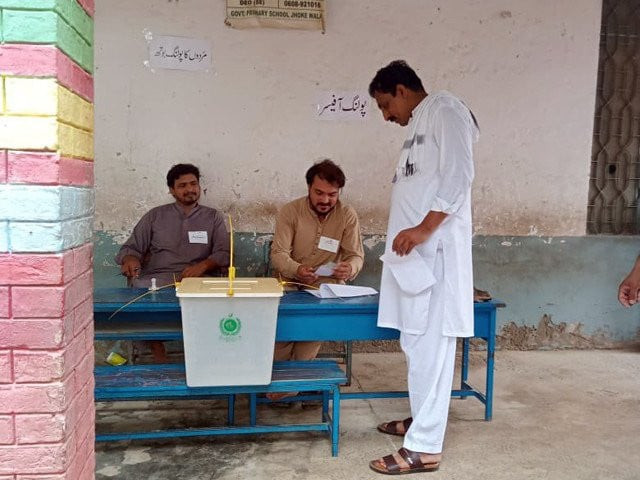
FAFEN deployed 122 observers to monitor a whopping 373 polling stations across various constituencies. The findings paint a nuanced picture: while the overall arrangements were better than in some previous elections, there were still significant issues that need to be addressed.
One of the most striking numbers in the report? Voter turnout was alarmingly low, at just 23%. Most constituencies barely managed to get half their registered voters to the polls. Only one area was able to cross that 50% mark. This low engagement could signal a need for more outreach and education about the electoral process.
Observers noted over 465 political camps near polling stations, raising eyebrows about whether all electoral guidelines were being followed. In fact, nearly half of the polling stations observed had political parties actively helping voters come and go. Such practices can blur the lines of fair play.
When it comes to inclusiveness, the report points out some startling gaps. While conditions were generally peaceful at 93% of polling booths, arrangements for women, elderly, and disabled voters varied widely. This inconsistency is concerning and highlights the need for a more equitable approach to electoral management.
Compounding these issues, FAFEN also documented several procedural violations. For instance, some voters were turned away for having expired ID cards, and there were instances of ballot papers being signed ahead of time. These lapses undermine the integrity of the electoral process and could discourage future voter engagement.
Interestingly, despite these irregularities, 97% of polling agents reported satisfaction with the overall polling process. This highlights a disconnect that might stem from varying perceptions of what constitutes a "smooth" election versus the reality on the ground.
As we dive deeper into the implications of these findings, it’s clear that while some strides have been made since previous elections, there’s ample room for improvement. Engaging citizens, ensuring the transparency of results, and creating an inclusive voting environment should be the focus moving forward.
Curious to learn more about how such analyses impact our electoral systems? Connect with Pro21st to stay updated on the latest in electoral trends and insights!
At Pro21st, we believe in sharing updates that matter.
Stay connected for more real conversations, fresh insights, and 21st-century perspectives.