Pakistan’s Stance on Afghan Terrorism: What You Need to Know
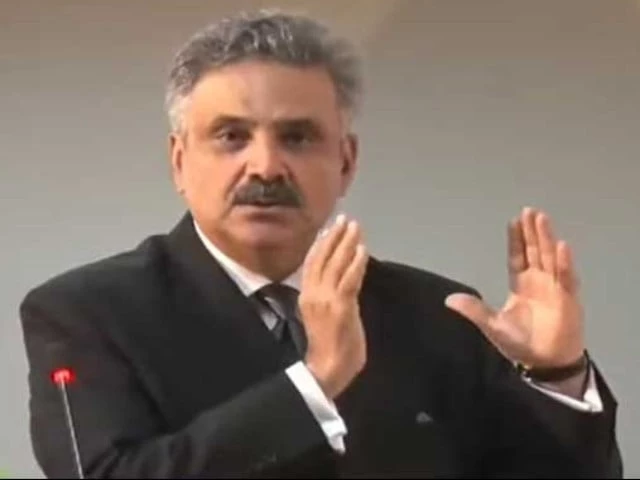
In a bold move, Pakistan’s Defence Minister Khawaja Asif recently made a significant statement warning that Pakistan will not tolerate terrorism originating from Afghan soil. This warning comes amid heightened tensions and accusations of Afghan support for terror groups targeting Pakistan.
A Fragile Ceasefire and Heightened Tensions
As Pakistan and Afghanistan extend their 48-hour ceasefire, it’s crucial to understand the backdrop of this fragile peace. The ceasefire was agreed upon to facilitate talks in Doha, but the underlying issues remain unresolved. Asif’s assertion that perpetrators of terror will "pay a heavy price" signifies a pivotal moment in the region’s security dynamics. This announcement is not just a political statement; it reflects a growing frustration within Pakistan regarding Afghanistan’s perceived failures in addressing cross-border militancy.
The Broader Context
Khawaja Asif expressed that despite Pakistan’s sustained efforts over the last five years to foster peace, there hasn’t been a positive response from Kabul. His claims suggest that Afghanistan is leaning too closely toward India, raising alarms in Islamabad. This accusation accentuates the complexity of diplomatic relations in South Asia, where historical disputes complicate modern political landscapes.
Domestic and Regional Implications
The Defence Minister’s stance isn’t just about international relations; it carries significant domestic weight. Asif mentioned that all Afghan nationals residing in Pakistan must return home, emphasizing that Pakistan’s land belongs to its 250 million citizens. This move underscores a broader trend in nationalistic sentiments, as countries around the globe re-evaluate their borders and immigration policies in light of rising security concerns.
Military Responses and Future Actions
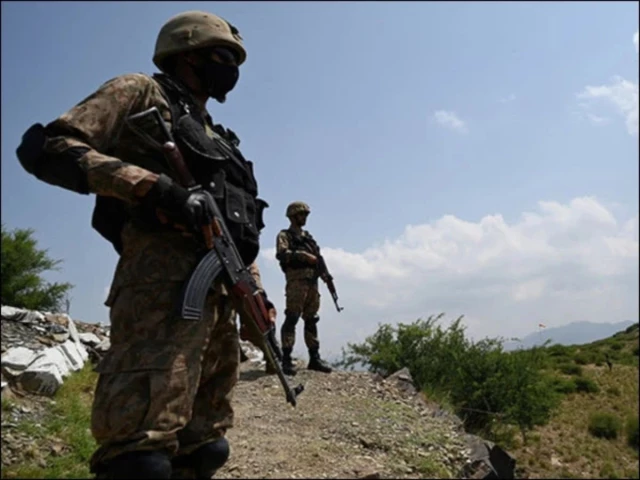
Military activity following recent conflicts has been reported, with claims of targeted strikes against Taliban strongholds inside Afghanistan. This aggressive approach demonstrates that Pakistan is willing to take concrete actions to protect its sovereignty. As the situation unfolds, the Pakistani military appears poised to respond decisively to any further threats.
Conclusion
As events develop in Afghanistan and Pakistan, the international community watches closely. Both nations face the challenge of navigating complex relationships with powerful neighbors and addressing internal security concerns. It remains to be seen how effective diplomatic dialogues will be in restoring lasting peace in the region.
For those interested in staying updated on geopolitical dynamics, connecting with platforms like Pro21st can provide deeper insights and analysis. Understanding these complex issues is essential as we navigate an increasingly interconnected world.
At Pro21st, we believe in sharing updates that matter.
Stay connected for more real conversations, fresh insights, and 21st-century perspectives.