
Understanding the Human Rights Situation in Indian-Occupied Kashmir
The situation in Indian-Occupied Jammu and Kashmir (IIOJK) has caught the attention of international observers, and for good reason. The recent findings from United Nations Special Procedures experts highlight alarming human rights violations that continue to unfold in the region.
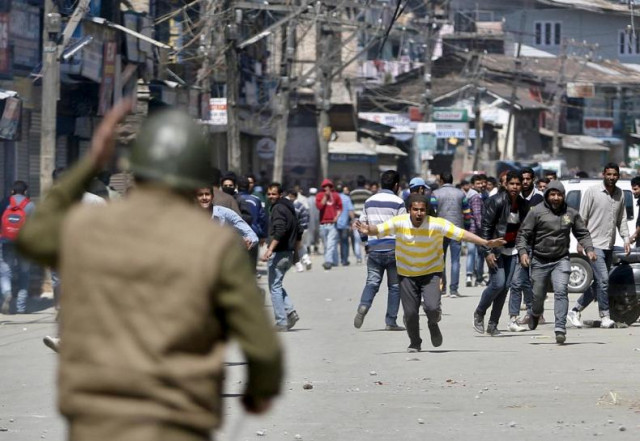
On November 24, a report revealed extensive abuses against the Kashmiri people, including the arbitrary arrest of nearly 2,800 individuals—ranging from journalists to students and human rights advocates. This isn’t just a statistic; it paints a vivid picture of a community under siege, facing oppressive laws designed to silence dissent and undermine freedoms.
Key legislation, such as the Public Safety Act (PSA) and the Unlawful Activities (Prevention) Act (UAPA), facilitates these detentions, allowing for indefinite imprisonment without due process. The reports detail numerous horrific practices: torture, custodial deaths, and punitive demolitions of homes. Furthermore, communication blackouts have become common, with as many as 8,000 social media accounts blocked to stifle dissenting voices.
India’s actions have raised concern not just in Pakistan but globally, emphasizing the need for greater accountability. As a spokesperson from Pakistan’s Foreign Office pointed out, these human rights violations are part of a larger trend of state-sponsored persecution against Kashmiris and other minority groups in India.
Pakistan has called on India to halt its coercive measures and to release all those detained under these unjust laws. The demand extends to better protections for religious minorities, particularly Muslims and Christians, who often find themselves at risk in an increasingly polarized society.
The situation is not just about the actions of one nation but speaks to the fundamental rights that every individual should enjoy. Pakistan remains committed to advocating for a peaceful and just resolution to the Jammu and Kashmir issue, urging India to reverse its repressive policies and engage in constructive dialogue.
Amidst these pressing issues, it’s essential to stay informed and engaged. Whether it’s through sharing information or supporting organizations that work for human rights, every action counts. If you’re looking for further insights or ways to connect, consider exploring Pro21st, a platform dedicated to promoting awareness and advocacy for human rights issues. Understanding these complexities is the first step toward fostering meaningful change in the world we share.
At Pro21st, we believe in sharing updates that matter.
Stay connected for more real conversations, fresh insights, and 21st-century perspectives.