
Resumption of Afghan Transit Trade: What It Means for Traders and Transporters
After a tense 10-day suspension, Pakistan has resumed Afghan Transit Trade on a phased basis, thanks to a recent ceasefire agreement with the Afghan Taliban government in Doha. This news is a breath of fresh air for traders and transporters who faced substantial losses while operations were halted.
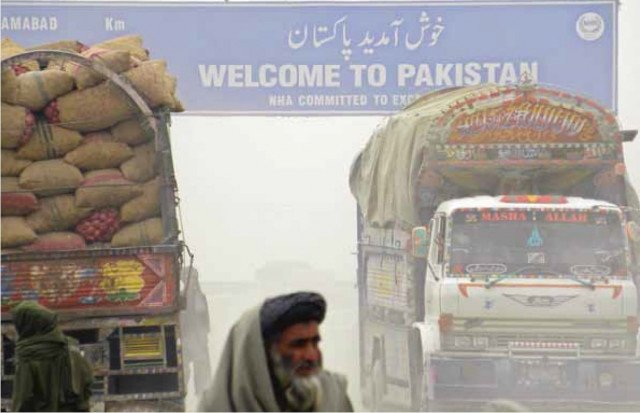
The clearance process is underway, with about 300 vehicles that were stranded during the suspension finally being freed. The operations are primarily taking place via the Chaman route, one of the most vital crossings for trade between Pakistan and Afghanistan. The Directorate of Transit Trade (Customs) has laid out a detailed directive, ensuring that cargo operations will unfold in a structured three-phase process.
In the first phase, nine vehicles that were sent back due to the border closure will undergo re-weighing and scanning. This is crucial, as it ensures that any inconsistencies are caught right away — and if there are issues, a full inspection will be performed.
Next up, in the second phase, 74 vehicles from the NLC Border Terminal Yard will be cleared, following a similar re-weighing and scanning protocol. This meticulous approach is all about ensuring the integrity of the cargo and preventing any illegal activities.
Finally, in the third phase, 217 vehicles currently at the Halting Yard will be processed, marking the final step in restoring normal operations. Photographic documentation of all returned or halted vehicles will bolster transparency — a significant move towards accountability.
The resumption of transit trade is anticipated to provide much-needed relief. With security and inspection measures being tightened, the chances of smuggling or illegal trade during these transactions should be minimized. This is particularly crucial given the recent escalations in tensions, where military exchanges between Pakistan and the Taliban have occurred, heightening the need for secure and well-regulated trade routes.
Moving forward, the importance of the Chaman border as a key trade route cannot be overstated. With dozens of trucks and cargo consignments traveling this path daily, the revival of transit trade will not only benefit transporters but will also foster better bilateral relations. Improved commercial activity could pave the way for a healthier economic relationship between the two countries.
In light of these developments, it’s clear that staying informed and engaged is vital for anyone involved in trade or transport in the region. If you want to dive deeper into topics like these or connect with others who share your interests, consider visiting Pro21st.com”>Pro21st. Engaging with communities and resources can offer further insights and support as this situation continues to evolve.
At Pro21st, we believe in sharing updates that matter.
Stay connected for more real conversations, fresh insights, and 21st-century perspectives.