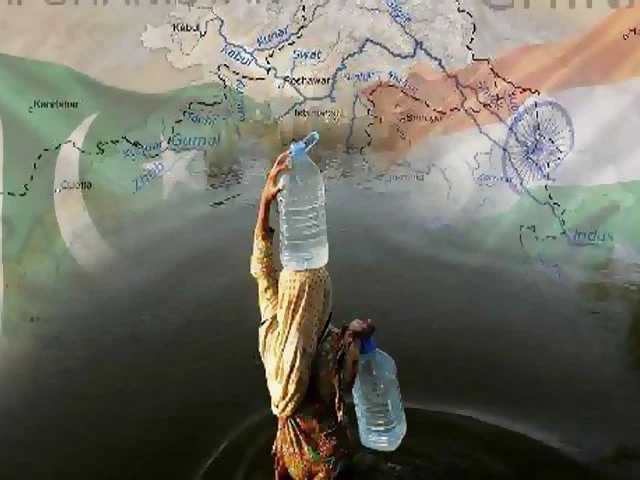

PCA Upholds Limits on Indian Hydropower Projects: A Landmark Ruling
In a significant ruling, the Permanent Court of Arbitration (PCA) has reaffirmed Pakistan’s stance regarding maximum pondage limits for Indian hydroelectric projects along the western rivers. This decision comes under the Indus Waters Treaty (IWT), which was established in 1960 to ensure equitable water distribution between Pakistan and India.
What is Pondage?
Before diving deeper, let’s clarify what pondage means. Essentially, it refers to the temporary storage of water in a reservoir behind a dam. This storage is crucial for regulating water flow and facilitating power generation.
Background of the Dispute
The dispute traces back to Pakistan’s concerns over India’s Kishenganga and Ratle Hydroelectric Plants, built in Kashmir. In 2016, Pakistan sought the court’s intervention to resolve these issues, citing potential violations of the IWT. The PCA’s recent award, coming after nearly a decade of deliberation, has reinforced strict restrictions on India’s ability to manipulate water flows from the Indus, Jhelum, and Chenab rivers—critical for Pakistan’s agriculture and economy.
The Implications of the Ruling
The ruling is a win for Pakistan, emphasizing that the IWT enforces tangible limits on India’s control of water resources. The government of Pakistan welcomed this verdict, asserting that these regulations must guide the planning and operation phases of any hydroelectric project. It is not enough for India to promise restraint after a project is built; they must adhere to the rules from the start.
According to the PCA, any move towards increasing pondage must be justified with adequate data and reasoning, aligning with the provisions of the IWT. This includes assessing the actual hydrological conditions and power-system needs rather than relying on inflated or unrealistic projections.
Future Steps
In light of this ruling, Pakistan aims to ensure the IWT is upheld and will pursue all diplomatic avenues to protect its water rights as outlined in the treaty. The court’s firm stance on necessary compliance standards serves as a reminder that fair and sustainable resource management is essential for both nations.
Conclusion
As global concerns about water scarcity continue to rise, rulings like this underscore the importance of adhering to established treaties and frameworks. If you’re interested in further exploring these complex issues surrounding water management and international treaties, consider connecting with us at Pro21st. We’re committed to fostering dialogues that inform and empower communities to navigate these challenges effectively.