
Understanding Governor’s Rule: The Current Political Landscape in Pakistan
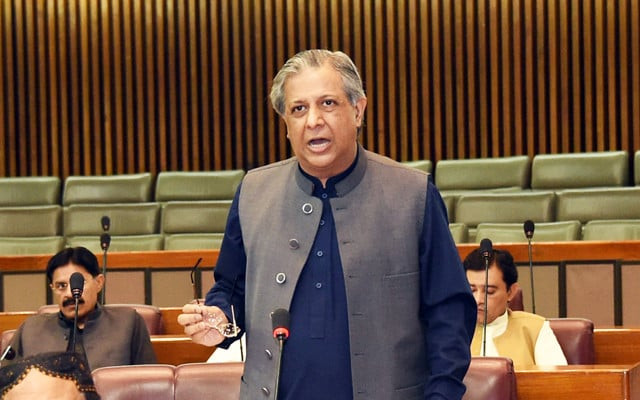
In recent discussions within the National Assembly, Law Minister Azam Nazeer Tarar addressed the potential for implementing governor’s rule in Khyber Pakhtunkhwa (K-P). He emphasized that this constitutional provision should not be confused with martial law, pointing out that it exists as a legitimate option if circumstances dictate. It’s a topic sparking significant debate, especially with the Pakistan Tehreek-e-Insaf (PTI) party under scrutiny for allegedly exacerbating political instability.
Tarar’s remarks come at a tense time. He argued that prioritizing the stability of Pakistan should take precedence over partisan politics. It’s a sentiment that resonates with many who believe that unity in challenging times is vital for the nation’s progress. He reminded the assembly of past political missteps in Pakistani history, stressing the importance of adhering to democratic processes.
Critics, like Information Minister Attaullah Tarar, echoed concerns about the nature of political discourse under the current administration. They argued that the atmosphere of hostility during PTI’s leadership contributed to the ongoing tensions. With references to well-known political figures like Nawaz Sharif and Benazir Bhutto, the conversation highlights a history of complex political rivalries that, despite their challenges, did not lead to assaults on the state.
As the government contemplates its next steps, including the possibility of governor’s rule, various officials are weighing in. While Minister of State for Interior Talal Chaudhary has urged a de-escalation of tensions between provincial and federal authorities, PTI leadership has dismissed the idea of governor’s rule outright. They assert that the foundations for such a move are nonexistent and warn of severe political repercussions if this path is taken.
This situation underscores the delicate balance that political leaders must maintain. It raises important questions about governance, democratic integrity, and the responsibilities that come with leadership.
In these turbulent times, it’s essential for all parties to place the nation above their interests. Political leaders should remember that the future of Pakistan, and its citizens, depends on collaboration and understanding rather than division. As these discussions continue to unfold, staying informed about political developments can help us engage thoughtfully and responsibly.
For more insights into the political landscape in Pakistan and how these issues affect everyday citizens, you might want to explore resources like Pro21st, which delve deeper into current events and their implications for the future.