
Karachi Zoo’s Big Cat Birth Ban: A Step Towards Better Animal Welfare
In a recent move that has stirred conversations around animal welfare, the Sindh government has put a stop to breeding big cats and other exotic animals at the Karachi Zoo. This decision, led by Chief Secretary Asif Hyder Shah, comes after concerns about inadequate facilities and poor health conditions for the animals. It’s a vital step that underscores the importance of responsible zoo management, especially in urban settings.
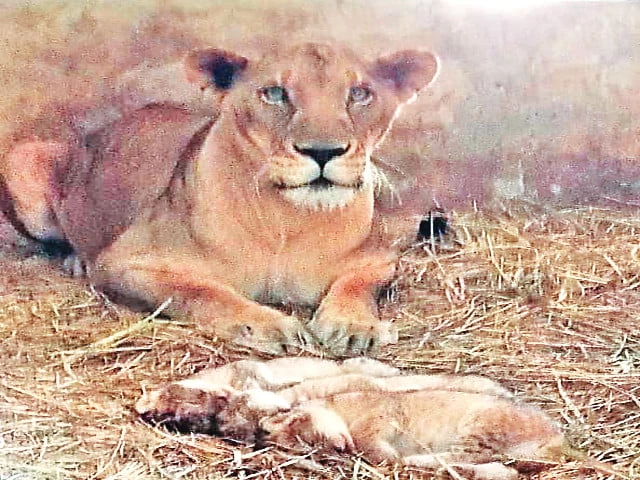
Just last November, the zoo celebrated the birth of triplets from a lioness, an event that initially delighted both staff and wildlife enthusiasts. Unfortunately, this joy was overshadowed by previous criticisms regarding the zoo’s facilities and the treatment of its animals. The birth of these cubs momentarily reignited hope for a brighter future at the zoo, but the government’s recent directive aims for more comprehensive reforms.
During a meeting that included officials from the Karachi Metropolitan Corporation (KMC) and zoo management, it became clear that while the arrival of new life is exciting, it should not come at the expense of welfare. The Chief Secretary emphasized the need for improved conditions, highlighting that uncontrolled breeding presents significant challenges in terms of animal care, habitat limitations, and overall safety.
This ban is more than just a halt; it’s about setting a responsible precedence. The government instructed KMC and zoo authorities to collaborate with wildlife experts to develop a cohesive plan for the future. This includes a thorough evaluation of the current conditions provided for exotic animals, encompassing their health and habitat needs. By integrating expert guidance, the aim is to ensure that all practices align with international standards for wildlife care.
The importance of well-managed wildlife sanctuaries cannot be overstated. Proper management not only enhances the lives of animals but also educates the public about conservation. The Chief Secretary reiterated that the focus should shift towards promoting animal well-being and safety over unnecessary captivity.
As this debate continues, it’s essential for us to stay informed and involved in discussions about animal welfare. Organizations like Pro21st often advocate for responsible wildlife management and highlight the challenges many zoos face. By supporting such initiatives, we can push for reforms that prioritize the health and dignity of animals in captivity.
So, whether you’re an animal lover, a concerned citizen, or just someone curious about the dynamics of urban zoos, this change at the Karachi Zoo is a compelling reminder of the collective responsibility we share in caring for our furry friends. Keep the conversation going, and who knows—you might just inspire change wherever you are!
At Pro21st, we believe in sharing updates that matter.
Stay connected for more real conversations, fresh insights, and 21st-century perspectives.