
Understanding Current U.S.-Iran Relations: Tensions and Prospects for Diplomacy
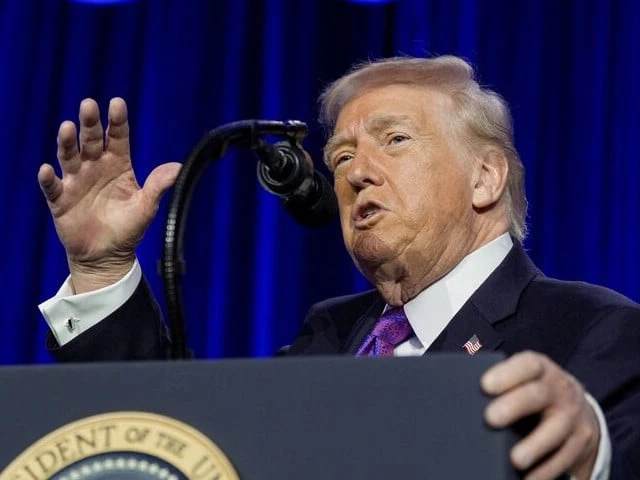
The U.S.-Iran relationship has always been complex, and recent developments underscore that reality. President Donald Trump recently hinted at the possibility of renewed military action against Iran, suggesting strikes could occur in just a few days if diplomatic negotiations don’t yield results. This statement came amid a fragile ceasefire that has been holding since early April, following confrontations between the U.S., Israel, and Iran.
So, what’s the backdrop to these tensions? The ongoing conflict, triggered earlier this year, has significantly disrupted energy markets and fueled fears of a wider regional dispute. While Trump maintains that Iran is "begging for a deal," Vice President JD Vance has advised caution, noting that significant progress has been made in negotiations but emphasizing the unpredictable nature of Iran’s leadership.
The core issue for the U.S. remains clear: preventing Iran from developing nuclear weapons. There’s been talk about various proposals—one reportedly from Tehran, calling for a halt to hostilities and the withdrawal of U.S. forces from areas near Iran. However, complexities such as sanctions and the release of frozen assets make reaching an agreement challenging.
On the Iranian side, officials have warned of dire consequences if American military actions resume, stating this could lead to a broader conflict. Iran’s stance presents a mix of military readiness and diplomatic overtures, showcasing a delicate balancing act that both sides must navigate.
Despite the tensions, it’s important to note the role of intermediaries like Pakistan and Gulf nations in facilitating dialogue between the two nations. This highlights a mutual recognition of the dangers escalating conflict poses, especially regarding the Strait of Hormuz, a critical energy corridor.
Public sentiment in the U.S. also plays a vital role in this equation. Recent polls indicate a decline in President Trump’s approval ratings, which could influence future foreign policy decisions. As concerns about rising fuel prices and conflict-related civilian casualties mount, the administration faces increasing pressure to find a viable resolution.
In conclusion, while discussions continue, the path to peace remains fraught with challenges. The stakes are high, and the future of U.S.-Iran relations depends on both diplomatic efforts and the will to avert military confrontation. For those looking to stay updated on global developments and deepen their understanding of international relations, connecting with platforms like Pro21st could offer valuable insights.