
Understanding the Controversy Surrounding Justice Tariq Mehmood Jahangiri’s Law Degree
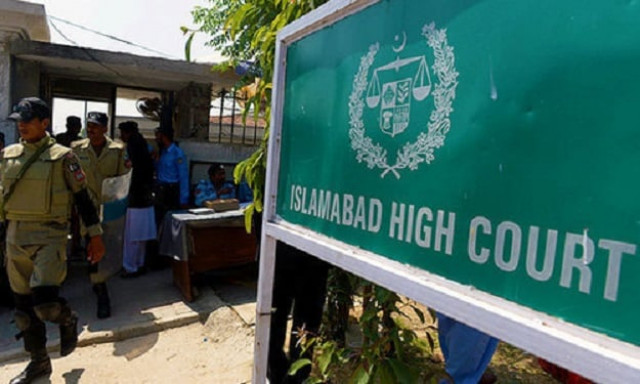
Next week, on December 9, an interesting and significant event will unfold at the Islamabad High Court (IHC) concerning the law degree of Justice Tariq Mehmood Jahangiri. An authorized official from the University of Karachi, well-versed in the details, will present before the court, bringing the original records of Jahangiri’s LLB degree. This legal drama raises some important questions about educational qualifications and the integrity of those in judicial positions.
The background of this case revolves around a quo warranto petition that has stirred quite a conversation. Filed by Mian Dawood Advocate, this petition challenges the legitimacy of Justice Jahangiri’s law degree, claiming it to be "dubious." The court will hear arguments from the amicus curiae appointed for this purpose, focusing on whether the petition holds merit. The outcome hinges on the evidence presented and how the court interprets the maintainability of the complaint.
During a recent session, an IHC bench, led by Chief Justice Sardar Muhammad Sarfraz Dogar and Justice Muhammad Azam Khan, ordered the Higher Education Commission (HEC) to procure and submit the educational record of the judge. It’s important to note that while the court seeks these records, it has emphasized that it’s not making any prejudgment on the case’s merits at this point.
Interestingly, a larger bench from the Supreme Court has stepped in to clarify matters, indicating that for this type of petition against a serving judge, the Supreme Judicial Council (SJC) is the proper venue for addressing any complaints. This complicates the scenario, as the IHC previously placed a restriction on Jahangiri’s duties, following the initial filing of the petition.
In September, the University of Karachi’s syndicate made headlines by canceling the judge’s degree, a decision that has not only sparked legal discourse but also raised concerns about the accountability of educational institutions. This unfolding situation reflects broader societal issues, such as the standards by which legal professionals are evaluated.
Whatever the outcome on December 9, the proceedings will undoubtedly impact not only Justice Jahangiri’s career but also set a precedent for how similar challenges are handled in the future. As this case develops, it’s essential for us to stay informed and engaged.
To keep track of legal updates and discussions like this, platforms like Pro21st offer insightful content that can help you navigate these complex issues. Whether you’re a law enthusiast or just curious about current events, connecting with resources that provide clarity can be invaluable.
At Pro21st, we believe in sharing updates that matter.
Stay connected for more real conversations, fresh insights, and 21st-century perspectives.