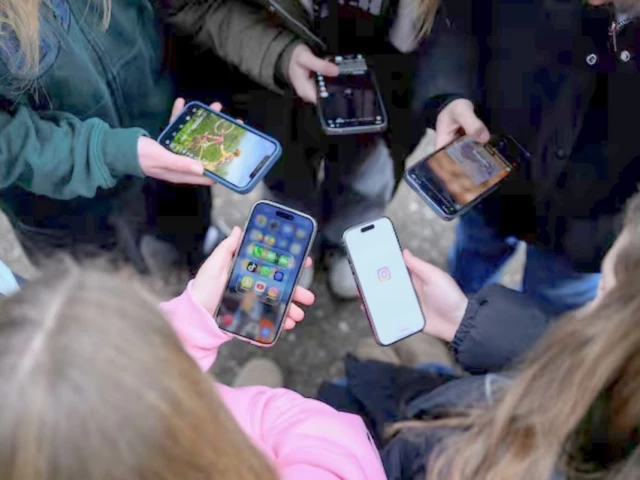

The Rising Role of AI Chatbots in Mental Health Conversations
In recent years, the world of mental health support has seen a fascinating shift: more and more young people are turning to AI chatbots for emotional guidance. A recent Ipsos BVA survey revealed some eye-opening statistics: 51% of young users found it easy to discuss mental health topics with chatbots, compared to 49% for healthcare professionals and just 37% for psychologists.
This trend highlights a growing reliance on technology for personal support, especially among teens and young adults. The survey, which included over 3,800 participants aged 11 to 25 from countries like France, Germany, Sweden, and Ireland, found that 68% preferred talking to friends and 61% to parents about their issues. But in an age where emotional discussions are often intertwined with digital interactions, chatbots are carving out a unique space.
Why are young people turning to these digital companions? For many, the appeal lies in the convenience and non-judgmental atmosphere chatbots provide. With AI readily available around the clock, it becomes an accessible option when the need for a confidant arises. Many users describe AI as their “life adviser,” providing a safety net during tough times.
However, it’s essential to approach this phenomenon with caution. While AI can serve as a valuable tool for initial support, experts warn against substituting chatbots for real human connections. Emotional intelligence and empathy are critical components of effective mental health care—qualities that AI, despite its advancements, still lacks.
Concerns about the psychological implications of relying solely on chatbots are growing, especially considering that 28% of survey respondents met the threshold for suspected generalized anxiety disorder. Real conversations with friends, family, or professionals remain irreplaceable. They offer nuances that a chatbot simply can’t replicate.
As we navigate this evolving landscape, striking a balance is key. AI technology can provide assistance but should not overshadow the importance of human relationships. If you or someone you know is struggling, turning to friends or professional help is vital.
In this digital age, awareness and understanding can ensure technology enhances our lives without replacing the profound value of human interactions. If you’re curious about how AI can fit into your mental health journey, consider engaging with resources like Pro21st. They offer insights and support to help you navigate these complex discussions in a meaningful way.