
NVIDIA’s Future in China: A Game of High-Stakes Chips
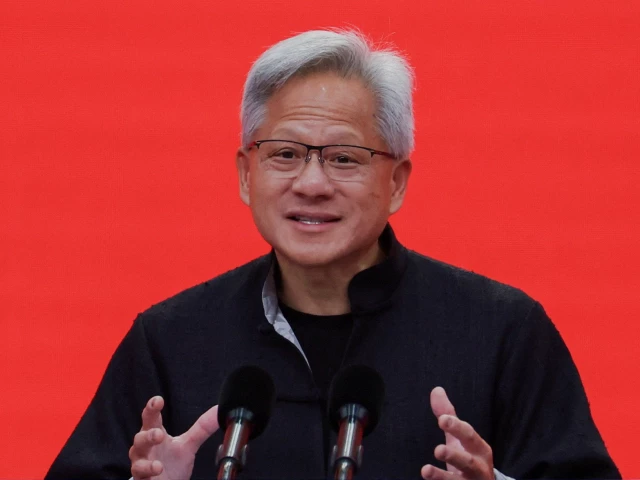
In the world of technology, few names stand as tall as NVIDIA. As a huge player in artificial intelligence (AI) hardware, the company is constantly navigating the shifting landscape of global trade and technological innovation. Recently, NVIDIA CEO Jensen Huang made waves by discussing the complex situation surrounding the sale of high-end chips in China.
During a visit to China, Huang expressed optimism that China would eventually open its market to advanced US chips, particularly those crucial for training AI systems. However, significant restrictions remain in place, especially regarding the much-talked-about H200 model—an advanced chip that has, until now, been banned by the US government due to national security concerns. Huang’s comments indicate a belief that, over time, the market dynamics may shift in favor of US high-tech products.
But the story is multifaceted. While Huang holds out hope, it’s essential to recognize the Chinese government’s stance. With growing emphasis on domestic chip development, China is looking to cultivate its technological prowess to diminish reliance on foreign products. In Huang’s words, the government must weigh how much they want to protect their local market versus opening it up to American companies.
The dialogue between Washington and Beijing is crucial. Former President Trump claimed that discussions with Chinese President Xi Jinping about easing restrictions on H200 sales had taken place, yet many US lawmakers are wary of such moves—fearful that easier access could bolster Chinese military capabilities. The stakes are incredibly high.
Interestingly, Huang noted that while NVIDIA’s H200s are licensed for sale, there hasn’t been a notable uptick in purchases from Chinese tech companies. This hesitance underscores the broader national strategy being adopted by Beijing to ramp up domestic innovation. Companies like NVIDIA, while at the forefront now, could face competitive challenges from an increasingly self-reliant China.
Adding to the complicated scenario, Xi has publicly stated that China intends to "open wider" to foreign businesses, hinting at potential opportunities for American firms in the future. So, where does this leave NVIDIA?
The balance between opportunity and caution is delicate. As technology continues to evolve, keeping an eye on these dynamics is crucial for businesses and investors alike. Whether you’re an industry insider or just technology-curious, understanding the implications of these high-stakes discussions can provide valuable insights.
For more informed perspectives on technology and market trends, don’t hesitate to connect with Pro21st. Stay engaged with the conversation!