Pakistan and Afghanistan Unite Against Terrorism: A Step Towards Regional Peace
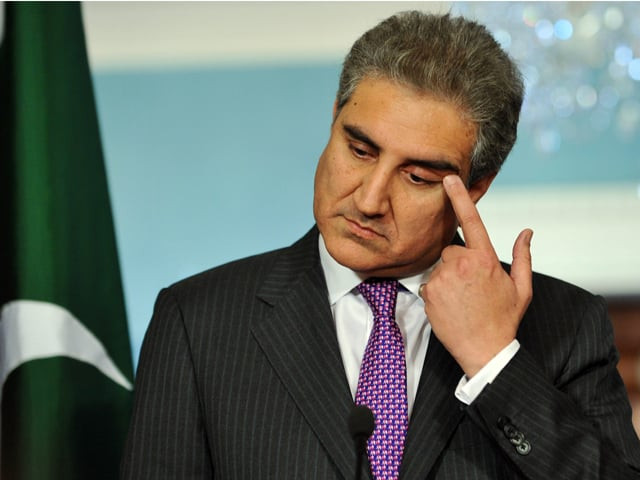
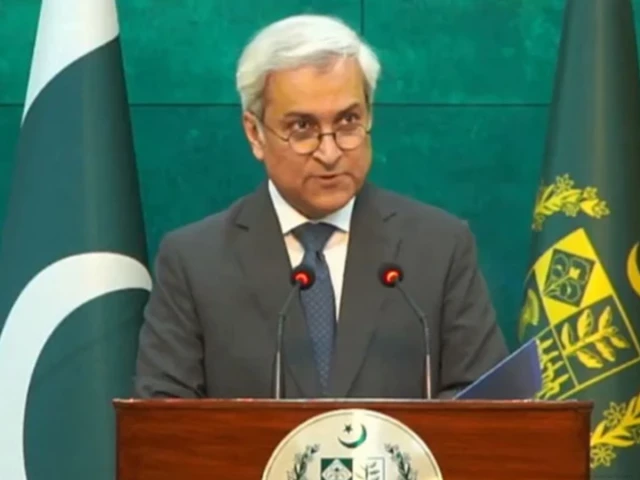
In a significant move towards regional stability, Pakistan and Afghanistan have reaffirmed their commitment to tackle a common enemy: terrorism. This newfound collaboration, highlighted by Defence Minister Khawaja Asif in a recent interview with Al-Jazeera Arabic, signifies a potential shift in the dynamics between the two nations, long marred by conflict and distrust.
Asif described terrorism as the primary obstacle hindering progress and peace in the region. Both countries are now working to establish a sustainable framework for security cooperation aimed at dismantling groups responsible for cross-border violence. For too long, these issues have overshadowed the potential for economic cooperation and growth.
The Afghan Defence Minister echoed these sentiments, acknowledging that terrorism is at the heart of their tensions. Together, they stress that a unified approach is essential to combating extremism effectively. It’s clear that before any true progress can be made, both nations must tackle this pressing issue head-on.
In fact, preparations are underway for a pivotal meeting in Istanbul next week, where officials will finalize plans for this comprehensive agreement. Topics will likely include intelligence sharing, joint border surveillance, and mechanisms to ensure adherence to ceasefire commitments. This level of coordination, if implemented, could significantly reduce violence and foster a safer environment.
Asif expressed optimism about the future, suggesting that once the terrorism threat is managed, it could pave the way for broader cooperation in trade, transit, and infrastructure. Imagine a time when Afghanistan can resume commercial activities through Pakistani ports — it could lead to enhanced economic ties and mutual benefits for both nations.
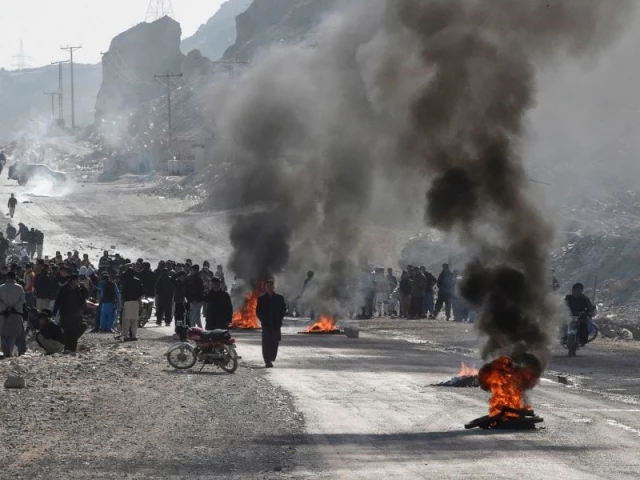
However, the journey isn’t without its challenges. Persistent security concerns in border areas continue to hinder diplomatic efforts. Yet, this new initiative represents a concerted attempt to transition from sporadic discussions to a more long-term strategic partnership focused on both security and economic collaboration.
The upcoming Istanbul meeting stands out as a potential turning point in this relationship. Analysts believe that if these discussions lead to actionable commitments, there’s a real chance to boost bilateral relations and contribute to the elusive stability that the region has sought for decades.
In these times of uncertainty, fostering connections, whether through trade, dialogue, or educational initiatives, can make all the difference. If you’re eager to explore more about peace-building efforts in the region or engage in meaningful discussions, consider connecting with platforms like Pro21st. Together, we can contribute to a brighter, more stable future.
At Pro21st, we believe in sharing updates that matter.
Stay connected for more real conversations, fresh insights, and 21st-century perspectives.